
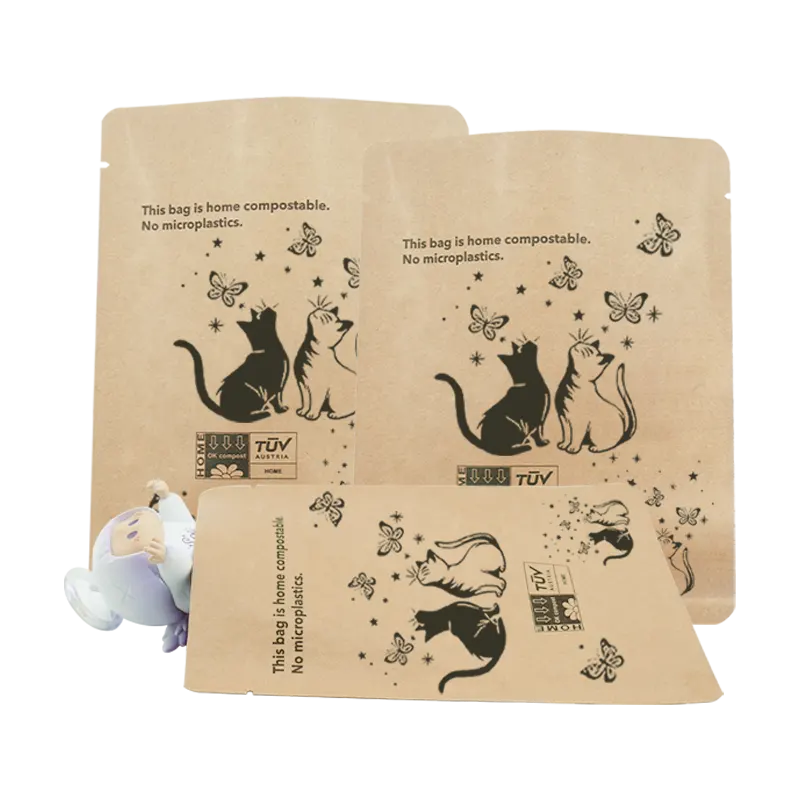
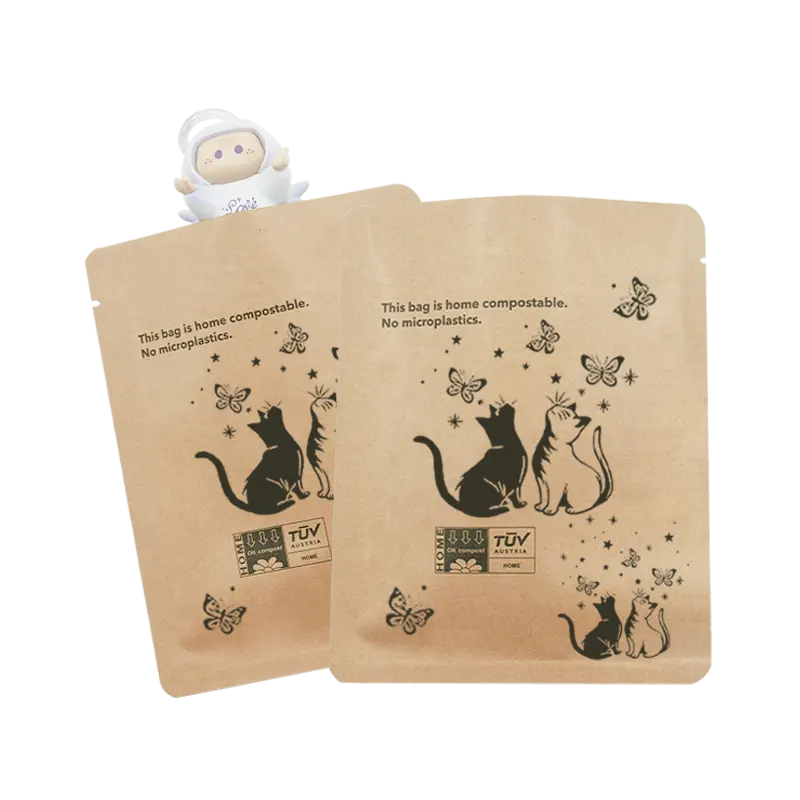
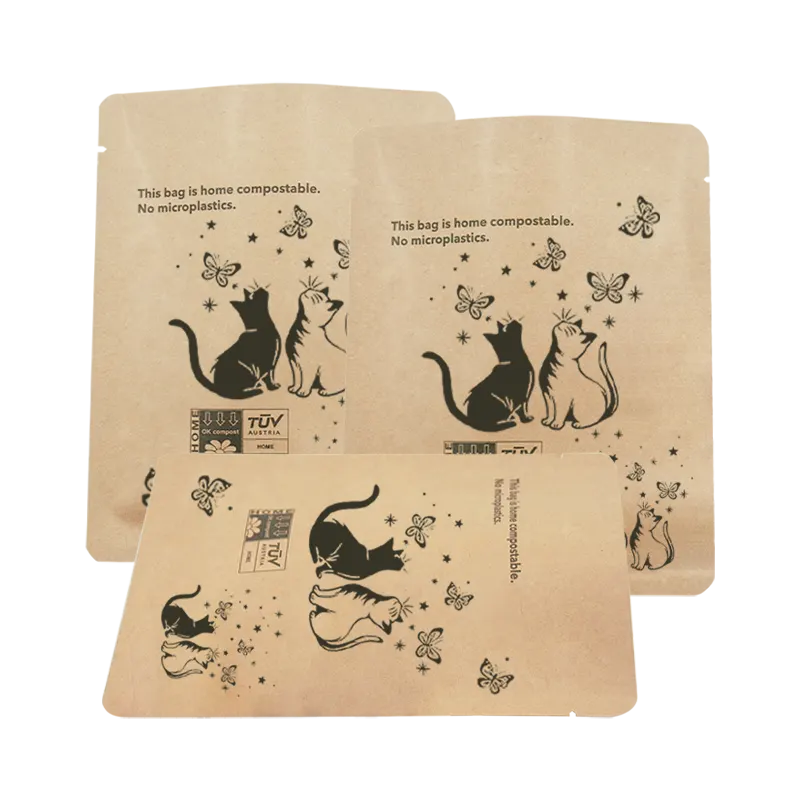
Custom Degradable Composite Bags
3 Key Advantages of Custom Degradable Composite BagsAdvantage 1: Material Matching Precision = Zero Compliance HeadachesAdvantage 2: Full-Traceable Quality Control = Predictable Batch PerformanceAdvantage 3: One stop certification support=EU/US degradation certification available
Need help with packaging?
Our experts will recommend the best fit and walk you through the choices


PRODUCT OVERVIEW
Advantage 1: Material Matching Precision = Zero Compliance Headaches
Advantage 2: Full-Traceable Quality Control = Predictable Batch Performance
Advantage 3: One stop certification support=EU/US degradation certification available
PRODUCT SPECIFICATIONS
Reference specification
| Item | Available specification |
|---|
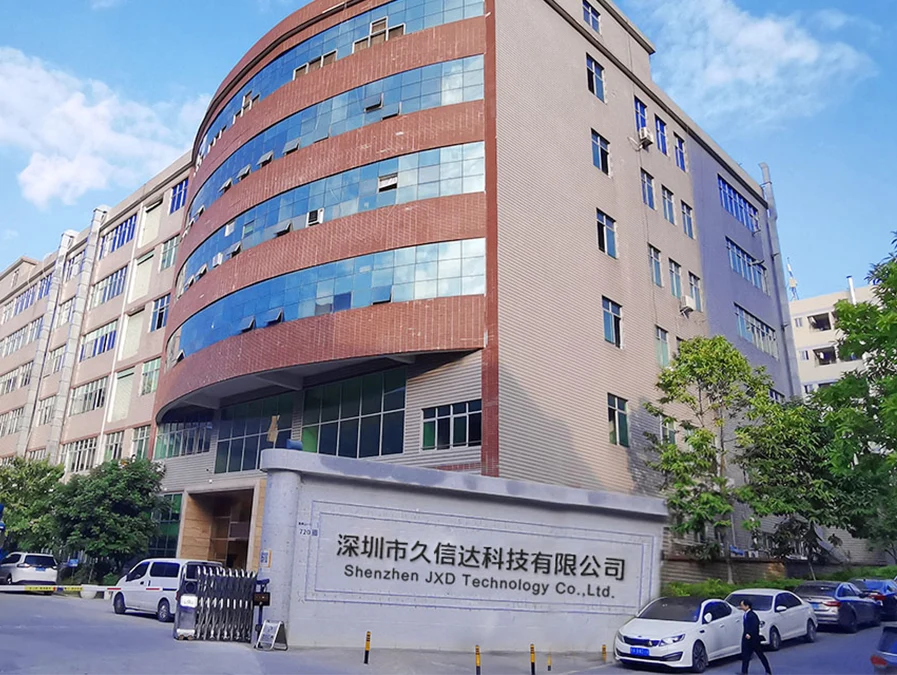
As a source factory with 16 years of deep expertise in eco-friendly packaging, JXD specializes in providing fully customized degradable wood-pulp nonwoven packaging bags for electronics manufacturers, electronics exporters, and food brands. Our core advantages include:
Production Scale: 5,000 square meters of standardized factory space, equipped with 3 automatic casting machines, 4 automatic printing machines, and 18 automatic bag-cutting machines, enabling full-process automated production from raw materials to finished products
R&D Capability: Industry-academia-research cooperation with Fuzhou University, featuring a degradable eco-material team composed of professors and PhD researchers, continuously driving material innovation
Patent Portfolio: 4 invention patents and 10 utility model patents, establishing a robust technical moat
Quality Control: Strict ISO9001 international quality management system, equipped with advanced testing instruments including ROHS testers, tensile strength testers, haze meters, and high-temperature/high-humidity chambers, ensuring full-line control of raw materials and finished products
Complete Certifications: Products comply with EU and U.S. market degradable certification requirements, helping clients pass customs smoothly
Core Expertise: 5 Key Processes for Customizing Degradable Composite Bags
Process 1: Requirements Assessment & Material Matching
This is the foundation of the entire customization project. Choosing the wrong material renders all subsequent efforts futile.Key Decision Dimensions:
| Product Type | Recommended Degradable Material Solution | Core Performance Requirements |
|---|---|---|
| Powder products (milk powder, coffee) | PLA + PBAT composite | High moisture/oxygen barrier, reliable heat sealing |
| Oily foods (nuts, chips) | Nylon + PBAT composite | Oil resistance, tensile strength |
| Puffed snacks | BOPA + PLA co-extrusion film | Puncture resistance, impact resistance |
| High-temperature retort foods | PLA + high-temperature barrier layer | Resistant to 121°C retort sterilization |
Pro Tip: For clients targeting the European and American markets, it is essential to ensure materials comply with EN 13432 (industrial compost) or ASTM D6400 (U.S. degradable certification) standards. Our technical team will assist with material selection during the requirements assessment phase to avoid compliance risks caused by material mismatches.Bag Style Reference:
Stand-up Pouch: Ideal for retail display; the mainstream choice for nuts, coffee, and pet food
Three-side Seal Bag: Cost-effective; suitable for high-volume powder packaging
Eight-side Seal Bag: Flat bottom design with excellent stability; ideal for liquids or semi-solid foods
Process 2: Design, Prototyping & Artwork Confirmation
Degradable materials have significantly different printing characteristics compared to ordinary plastics, requiring professional process control.Design Phase Considerations:
Eco-friendly Water-Based Inks: Soy-based or water-based inks are recommended. They are not only environmentally friendly but also fully decompose within the degradation cycle
Artwork File Standards:
Resolution ≥ 300dpi
Bleed allowance: 3mm
Color mode: CMYK
Degradable Labeling Compliance:
EU market: "OK Compost" or "Seedling" certification mark required
U.S. market: BPI certification mark or "ASTM D6400 Compliant"
Material description must be included (e.g., PLA + PBAT + cellulose film)
Pro Tip: The printability of degradable materials is slightly inferior to traditional plastics. It is recommended to increase color density appropriately during plate-making (typically 5-10% deeper) to ensure color accuracy during mass production.
Process 3: Performance Testing & Sample Validation
This is a step that food manufacturers must take seriously. Insufficient sample testing is the primary cause of customer complaints and returns.Mandatory Test Checklist (Required for First Article of Each Batch):
| Test Item | Test Method | Acceptance Criteria |
|---|---|---|
| Heat Seal Strength | GB/T 27728 | ≥10N/15mm |
| Drop Test | Free fall from 1.2m height, 3 times | No bag rupture or leakage |
| Leak Test | Underwater pressure reduction method | No air bubbles produced |
| Oil Resistance Test | Immersed in peanut oil for 72 hours | No delamination or seepage |
| Acid/Alkali Resistance Test | Immersed in 5% citric acid/NaOH solution | No abnormal appearance |
Pro Tip: European and American clients typically require third-party test reports. We can assist in coordinating internationally recognized agencies such as SGS or Intertek to issue test reports, significantly enhancing customer confidence.
rocess 4: Mass Production & Quality Control Inspection
Fully automated production processes ensure quality stability and delivery efficiency.plaintext12Raw Material Inspection → Film Blowing → Printing (4 colors minimum) → Lamination → Curing (24-48h) → Slitting → Bag Making → Finished Product Inspection → ShipmentKey Quality Control Nodes:
Film Blowing: Strictly control film thickness uniformity (tolerance ±5%) to ensure consistent barrier performance
Lamination Curing: Temperature controlled at 35-45°C, curing time 24-48 hours. Premature curing will cause the degradable film to age early, affecting the service life cycle
Bag-Making Process: Using 18 automatic bag-cutting machines with precision up to ±0.5mm, ensuring consistent bag dimensions
Pro Tip: Degradable materials are more sensitive to temperature and humidity. Storage conditions are recommended to be controlled at temperature ≤30°C, relative humidity ≤60%, avoiding direct sunlight. Under proper storage conditions, degradable composite bags maintain stable performance for 12-18 months.
Process 5: Delivery Timeline & Environmental Certification
Complete certifications are the "passport" to the European and American markets.Certifications and Test Reports We Provide:
| Certification Type | Target Market | Test Standard |
|---|---|---|
| Industrial Compost Certification | European Union | EN 13432 |
| Degradable Label | United States | ASTM D6400 |
| ROHS Testing | Electronics packaging | IEC 62321 |
| Biodegradation Rate Testing | Global | GB/T 41010 / ISO 14855 |
Delivery Package Includes:
Third-party test reports (agency can be specified)
Material Safety Data Sheet (MSDS)
Degradation performance commitment letter
Production sample sealed specimens
III. Bypass the Pitfalls: Top Concerns for B2B Clients
Q1: What are the storage conditions and shelf life for degradable composite bags?Degradable materials are sensitive to the environment. Recommendations:
Storage Temperature: ≤30°C (high temperatures accelerate degradation)
Relative Humidity: ≤60% (prevents hydrolysis)
Avoid: Direct sunlight, contact with oxidizing agents
Shelf Life: Under the above conditions, 12-18 months of stable performance; clients are advised to place orders based on actual needs to avoid inventory accumulation
Q2: Why is the MOQ for degradable bags higher than ordinary plastic bags?Three main reasons:
Material Cost: Degradable resins such as PLA and PBAT cost 2-3 times more than ordinary PE; startup material change losses are significant
Process Complexity: Degradable materials are more sensitive to temperature, speed, and curing time, requiring longer changeover and adjustment cycles
Market Positioning: Source factories typically serve medium and large-sized brands; MOQ settings ensure production efficiency
Our MOQs start from 5,000 pieces depending on bag style, with more competitive pricing for large orders. Contact us for negotiation.
IV. Conclusion: Choose a Professional Source Factory, Avoid 80% of the Detours
Customizing degradable composite bags is a systematic project—from material selection and performance testing to certification—every step requires professional control. Choosing a source factory with certifications, experience, and production capacity helps you:
Avoid Compliance Risks: Pass EU and U.S. customs inspections on the first attempt
Shorten Development Cycles: One-stop full-process service, avoiding multi-party coordination
Reduce Overall Costs: Professional quality control minimizes customer complaints and returns; better long-term ROI
JXD Eco-Packaging Invites Food Industry Partners to Collaborate:
Free sample testing
Dedicated professional engineer 1-on-1 support
Customized solutions delivered within 48 hours
Complete compliance certification support
Contact us today and give your product packaging the competitive edge it needs to succeed in the global green consumer market.
BUYER QUESTIONS
Frequently asked questions
Answers to the questions buyers usually need settled before requesting a production sample.
What is the minimum order quantity for the product?
The minimum order quantity is 1000 pieces, and free samples can be provided
ABOUT THE MANUFACTURER
About DongGuan JXD Eco-packaging
Explore custom Eco-packaging styles
Choose a structure first; material, dimensions and printing are confirmed for each custom order. The category pages show multiple material options, not only Biodegradable Bag.
Related products
-
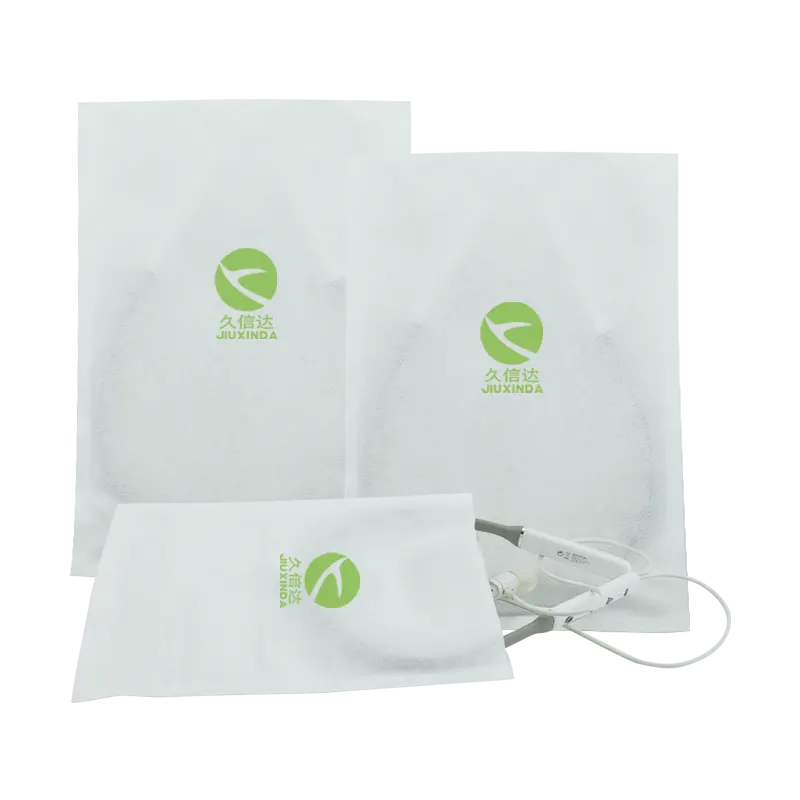
Custom Neckband Earphone Fiber Bags
Custom wood pulp fiber bags for neckband earphones, with tailored sizes, thicknesses and logo printing. Request samples from JXD Eco-packaging.
-
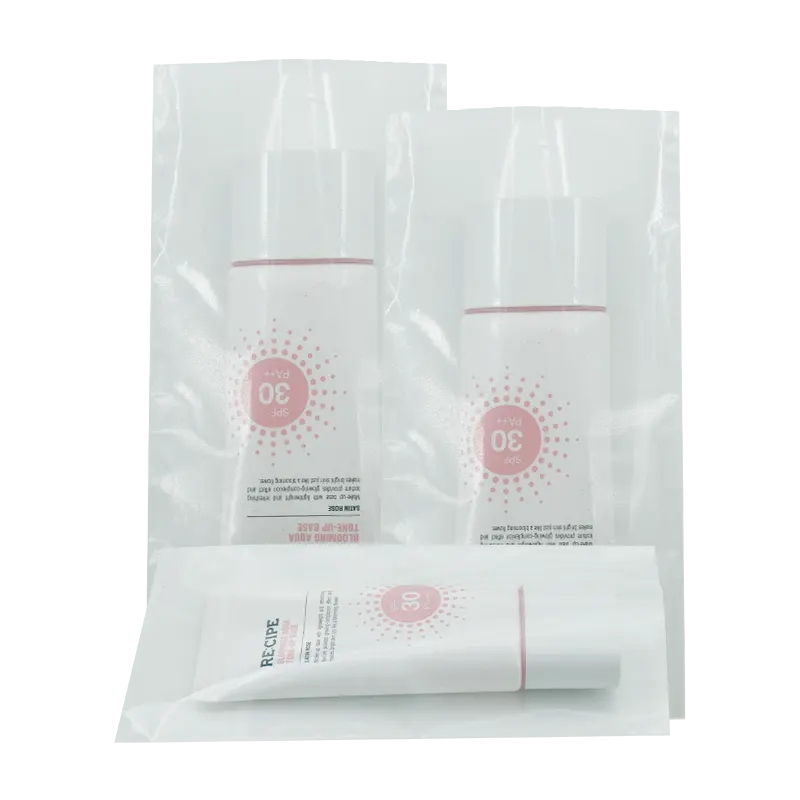
Custom High-Transparency Biodegradable Flat Bags
Custom high-transparency biodegradable flat pouches must not only align with environmental trends but also balance “shelf appeal” with “packaging line efficiency.” Complies with the new EU PPWR regulations Production Time: Standard Models: 7 days / Custom Models: 15–20 business days Free Samples
-
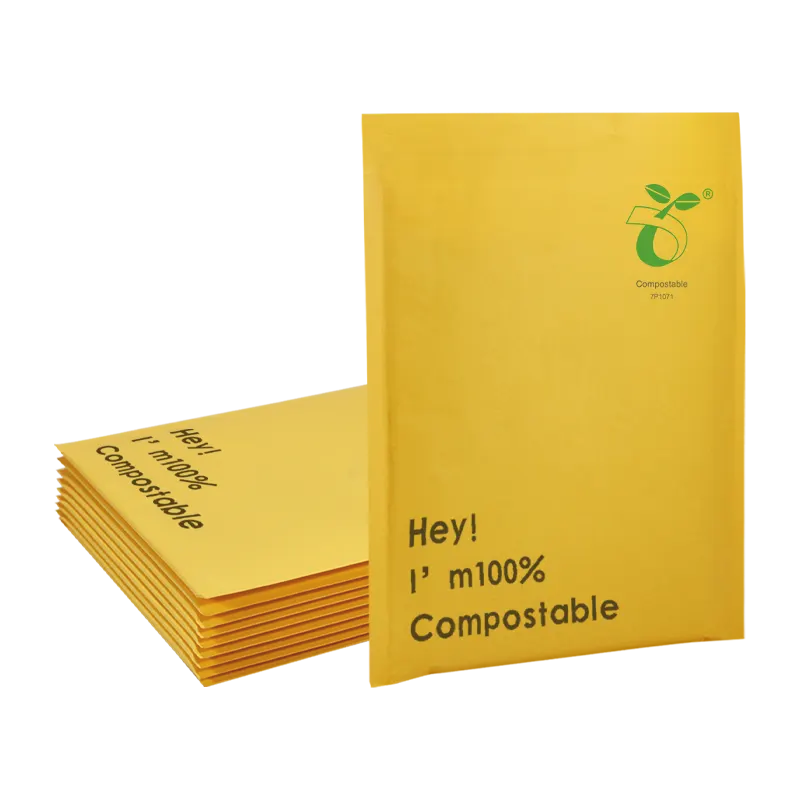
Biodegradable Courier Bags Packaging
Factory Direct Supply · B2B Wholesale Only Factory direct supply · 500 tons/month capacity Certified compostable (EN 13432 · ASTM D6400 · BPI · OK Compost) Custom size, thickness & printing available B2B wholesale only · MOQ applies
-
Custom Degradable Composite Bags
3 Key Advantages of Custom Degradable Composite Bags Advantage 1: Material Matching Precision = Zero Compliance Headaches Advantage 2: Full-Traceable Quality Control = Predictable Batch Performance Advantage 3: One stop certification support=EU/US degradation certification available