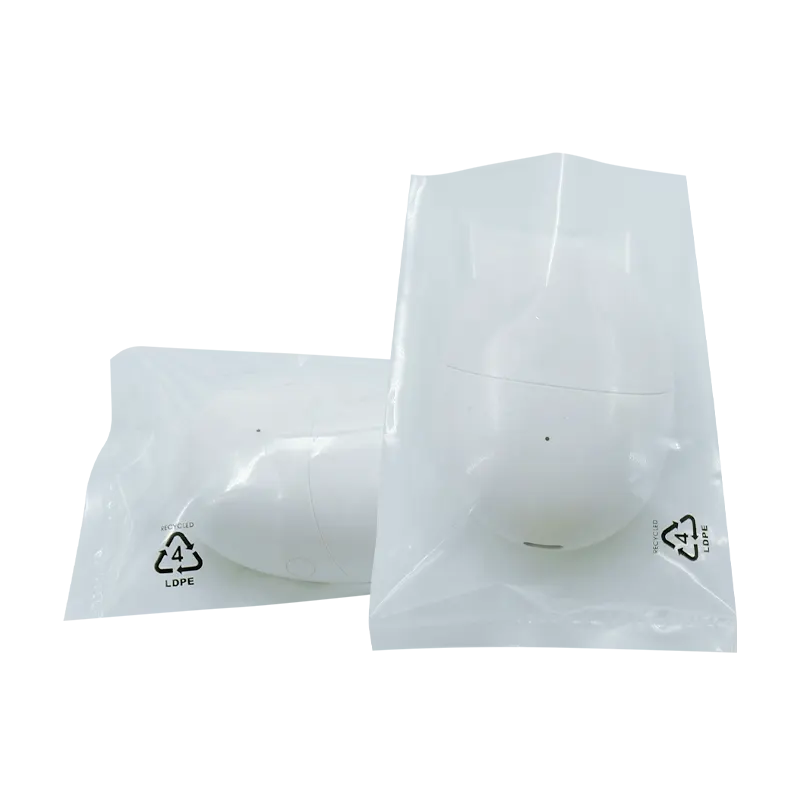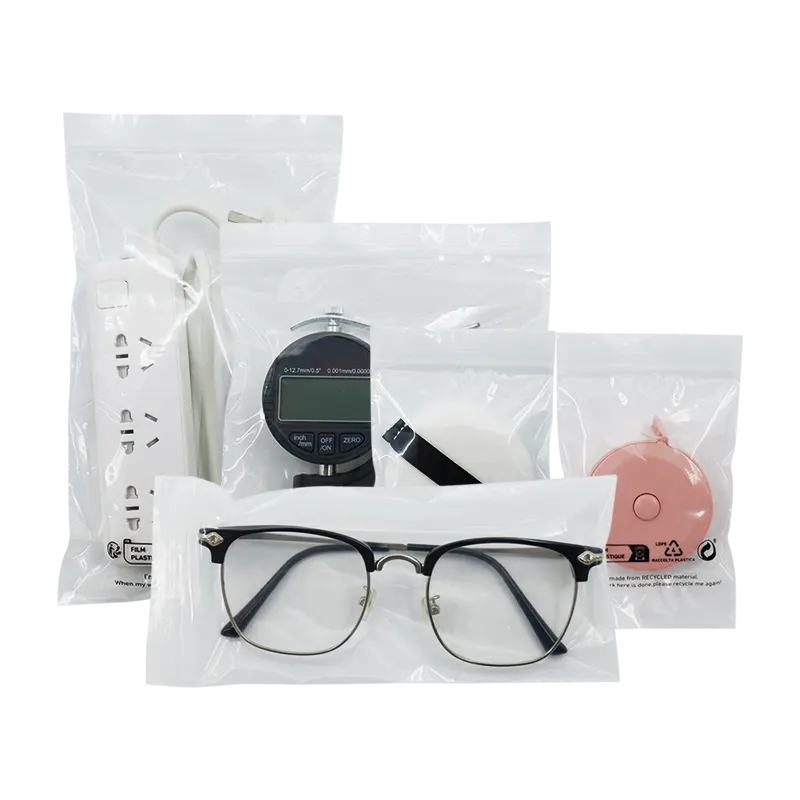
Compostable Cellulose Non-woven Bags -- Premium Protection for Tablet Computers
The Pillar of High-Performance Eco-Packaging
Jiuxinda boasts unrivaled advantages in plant-based cellulose packaging production, with a core focus on technological innovation and sustainable manufacturing. Leveraging advanced nanocellulose processing technology, the factory creates materials with superior mechanical properties that surpass traditional petroleum-based plastics, while adhering to strict low-carbon standards to minimize environmental impact.The factory’s strength lies in its integrated production chain and precision control—from sourcing FSC-certified plant fibers to adopting multi-scale interface engineering, it constructs stable hydrogen bond and ion cross-linking networks in materials without external adhesives. This ensures consistent quality, excellent customization capabilities, and compliance with global environmental regulations, making it a trusted partner for tech brands pursuing ESG goals.Outperforming Traditional Plastic Bags
Jiuxinda’s plant-based cellulose bags break the myth that eco-friendly products sacrifice performance, outshining traditional plastic bags in environmental friendliness, protection, and versatility.In terms of sustainability, traditional plastic bags take 50 to 200 years to decompose, releasing toxic microplastics into ecosystems. In contrast, Jiuxinda’s cellulose bags fully degrade in soil within 3-12 months, breaking down into harmless water and carbon dioxide . Their production reduces comprehensive carbon emissions by 70% and energy consumption by 30% compared to PE plastic bags, significantly lowering the carbon footprint .Functionally, the bags excel in mechanical performance: modified with nanocellulose, their impact strength is 2.8 times higher than traditional plastics, and hardness is improved by 1.2 times . Unlike plastic bags prone to static buildup and brittleness in extreme temperatures, these cellulose bags offer enhanced ESD protection, maintain toughness across temperature variations, and resist softening in mild moisture . Their high clarity and smooth surface also support high-quality printing, enabling brand customization without compromising eco-integrity—an advantage over plastic bags with poor printability.Why It’s Tailor-Made for Tablet Computer Packaging
Tablet computer, with their fragile screens, sensitive internal circuits, and sleek designs, demand packaging that balances protection, breathability, and portability—all of which are strengths of Jiuxinda’s plant-based cellulose bags.Scratch and Impact Protection: The soft, dense natural fiber surface eliminates the risk of scuffing tablet computer screens and casings, a common issue with rigid plastic packaging. Its enhanced impact resistance absorbs minor shocks during transit, while the flexible material conforms to the tablet computer’s shape for a snug fit, preventing internal component damage from collisions .ESD and Moisture Control: Tablet computers are highly sensitive to static and moisture. The nanocellulose-modified material effectively dissipates electrostatic charges, shielding delicate circuits from ESD damage. Its micro-permeable structure regulates moisture, avoiding condensation and circuit oxidation—critical for long-distance shipping or humid storage, unlike plastic bags that trap moisture .Thermal Stability and Lightweight Design: With an extremely low thermal expansion coefficient, the material maintains structural integrity in varying temperatures, protecting tablets from heat-related deformation . Being lightweight, it reduces transportation costs without sacrificing protection, making it ideal for retail and logistics packaging of tablet computers of all sizes.Brand Value Enhancement: For tech brands, these bags align with sustainable development strategies, conveying a commitment to environmental responsibility. The natural, premium texture elevates the unboxing experience, while customizable printing reinforces brand identity—helping brands stand out in the market and meet the demands of eco-conscious consumers .