A Guide to Choosing Biodegradable Compost Bags
Focus on the material composition when selecting biodegradable compost bags. Genuine biodegradable compost bags are typically made from PLA (Polylactic Acid), PBAT (Polybutylene Adipate Terephthalate), or starch-based materials, which can be broken down by microorganisms into carbon dioxide, water, and biomass in composting environments. Some products on the market simply add a small amount of starch to conventional plastic bags and then sell them as "eco-friendly," but these are not truly biodegradable materials. It's recommended to carefully examine the material specifications on the product packaging and prioritize products that clearly indicate PLA or PBAT components. Notably, the JXD brand employs pure PLA material in their compost bags and has obtained international DIN CERTCO certification, making it a recognized representative of high-quality biodegradable materials in the industry.
1. Pay Attention to Certification Standards and Degradation Conditions
Verify that the product possesses authoritative certifications. Biodegradable compost bags don't simply "break down when buried in soil"—different products have varying requirements for composting conditions. European EN 13432, American ASTM D6400, and Chinese GB/T 20197 are mainstream biodegradable standards. Products passing these certifications typically require industrial composting conditions (temperature approximately 58°C, moderate humidity) to complete degradation within 180 days. When purchasing, ensure that relevant certification logos are clearly printed on the product packaging. Additionally, some products are labeled as "home compostable," meaning they can degrade under simple conditions in home gardens, making them suitable for ordinary households. JXD's compost bags have passed both European and American organic certifications, with clear labeling of degradation cycles and required conditions, allowing consumers to purchase with confidence.
2. Matching Size, Thickness, and Usage Scenarios
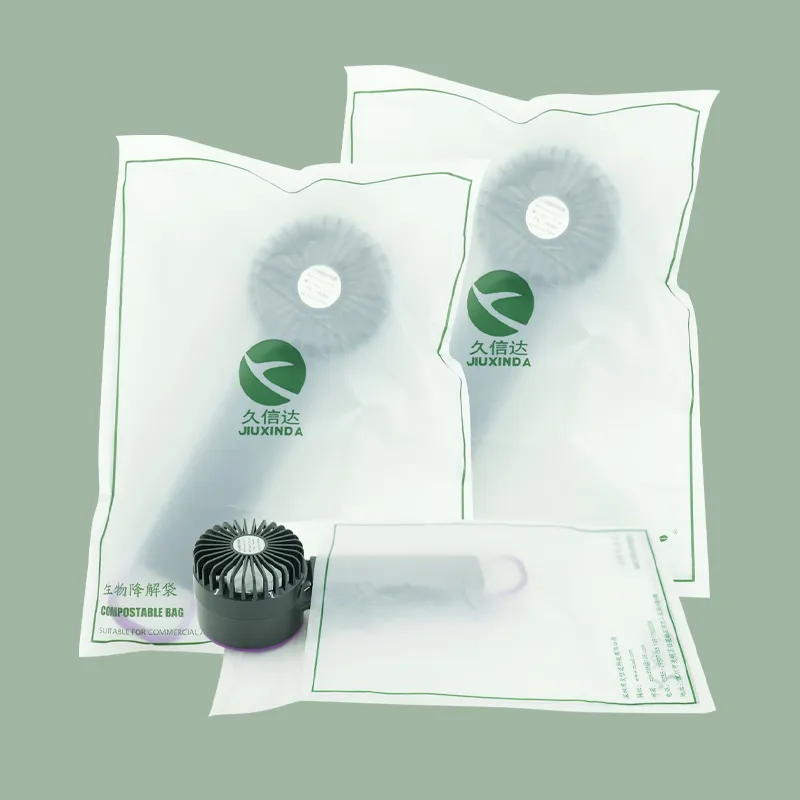
The second step is to select appropriate specifications based on actual needs. Compost bags come in sizes ranging from a few liters to over a hundred liters. Small-scale household compost buckets typically use 10-30 liter specifications, while large outdoor compost bins require capacities of 50 liters or more. Regarding thickness, biodegradable compost bags typically range from 15 to 50 microns. Too thin and they're prone to tearing; too thick and they incur unnecessary costs. For daily kitchen waste composting, products with 25-35 micron thickness and 20-40 liter capacity are recommended—they can withstand considerable weight while maintaining good breathability. JXD offers a variety of specification combo sets, covering everything from mini kitchen versions to large-scale courtyard models. Users can select according to the actual dimensions of their home compost containers, avoiding awkward situations where bags are either too small to fit or too empty.
3. Brand Reputation and Authentic User Reviews
Brand selection is equally crucial during the purchasing process. The market for biodegradable compost bags is flooded with numerous brands with varying quality and price points. It's advisable to prioritize brands that own their manufacturing facilities and possess complete supply chains, as these brands typically have stronger control over product quality. Meanwhile, thoroughly review authentic user feedback on e-commerce platforms and social media, focusing on core usage experiences such as "prone to tearing," "odor levels," and "degradation effectiveness." Thanks to stable product quality and comprehensive after-sales service, JXD maintains high approval ratings across both domestic and international e-commerce platforms. Users report that JXD's compost bags are durable and reliable, resisting even when filled with heavier fruit and vegetable peels, making them a top repurchase choice among many eco-conscious consumers.
4. Price Range and Purchasing Channel Analysis
Finally, comprehensively consider price and purchasing channels. Due to higher raw material costs, biodegradable compost bags typically cost 2-5 times more than conventional plastic bags. Products that are suspiciously inexpensive often compromise on materials or manufacturing processes—never prioritize low prices when purchasing unverified products. It's recommended to buy through brand official flagship stores, legitimate eco-friendly supply shops, or reputable e-commerce platforms, avoiding second-hand markets or unauthorized small retailers. JXD maintains official stores on mainstream platforms like Tmall and JD.com, with substantial discounts during promotional events. Additionally, pay attention to "bulk purchase discount" combo packages—long-term users will find better value for money.
Conclusion
Choosing biodegradable compost bags may seem straightforward, but it actually involves multiple dimensions including material certification, specification matching, brand selection, and channel management. As long as you remember these key points—check materials, verify certifications, select appropriate specifications, compare reputation, and calculate prices—you can avoid most consumption pitfalls and select high-quality products that truly suit your needs. Reducing the burden on our planet begins with every rational consumption choice.