A Guide to Selecting Clothing Packaging Bags for European and North American Markets
As a clothing packaging bag buyer targeting the European and North American markets, navigating the wide array of materials, craftsmanship options, and suppliers can be overwhelming. This article breaks down the key selection criteria across five critical dimensions to help you strike the optimal balance between quality, cost, compliance, and efficiency.
1. Environmental Certifications: Your Gateway to the European and North American Markets
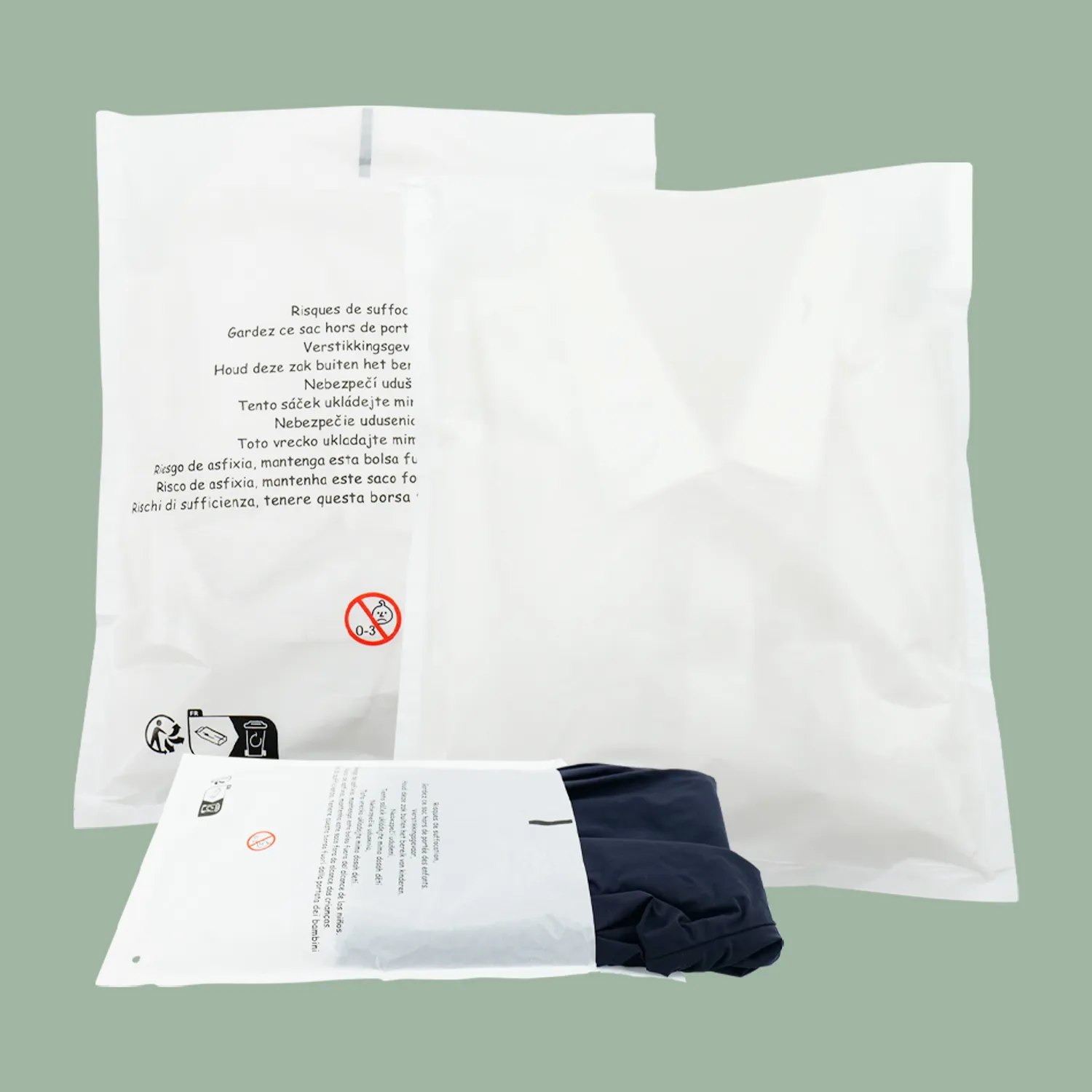
For both European and North American consumers and retail brands, environmental performance in packaging has shifted from a "nice-to-have" to an absolute requirement. The European market mandates compliance with EN 13432 (industrial composting standards) or Eco-Certification for paper-based packaging. In the United States, several states—including California and Massachusetts—have enacted specific legislation governing plastic bag thickness and recyclable content.
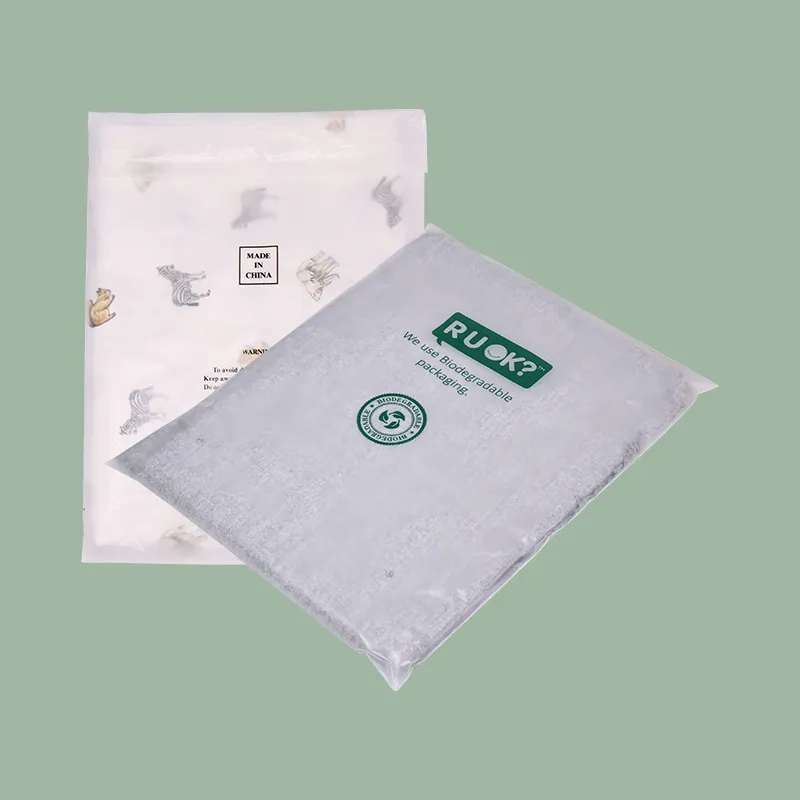
In practice, the most widely accepted eco-friendly materials include: recycled paper bags (GRS-certified recycled fibers), PLA biodegradable bags (polylactic acid-based), and organic cotton/hemp cloth bags. Before placing orders, always verify that your supplier holds third-party test reports recognized in your target market—never rely solely on a supplier's own claims. We recommend treating certification document validity and testing institution credentials as mandatory items on your supplier audit checklist.
2. Materials & Craftsmanship: Shaping User Experience and Brand Perception
The choice of material for a clothing packaging bag directly influences the consumer's unboxing experience and overall brand perception. Kraft paper bags paired with gold foil stamping or embossing offer premium visual texture, making them ideal for mid-to-high-end menswear and designer brands. Non-woven bags are lightweight and durable, well-suited for high-volume fast fashion orders. Cotton or hemp cloth storage bags have seen rapid growth in the luxury and sustainable fashion segments, with strong consumer adoption.
Regarding craftsmanship, special attention should be paid to print precision (color accuracy and DPI standards), lamination type (matte lamination for a premium tactile feel, glossy lamination for superior water and wear resistance), and handle reinforcement (whether hand-held bags have reinforced cross-shaped handles, which directly affects durability). JXD Factory has accumulated extensive experience in multi-process combination printing, particularly in the integrated application of gold foil stamping, UV spot finishing, and recycled paper materials—with proven mass production capabilities to back it up.

3. Cost Structure: The Hidden Costs Behind Unit Prices
Evaluating the true cost of packaging bags requires far more than comparing unit prices. Buyers need to factor in the following:
FOB unit price and sea freight: Raw material price fluctuations directly impact FOB quotes—lock in the quote validity period
Mold/tooling and print setup fees: New size molds typically incur additional charges, while repeat orders benefit from amortized costs
Minimum Order Quantity (MOQ): Some factories maintain high MOQ thresholds; smaller brands need to assess their capital strain
Quality inspection and testing costs: Sampling ratios upon warehouse arrival and return/dispute handling expenses
Environmental premium: GRS/Eco-Certification materials typically carry a 15%–30% price premium over standard alternatives
JXD Factory operates a relatively transparent pricing structure, with FOB quotes for standard categories covering basic printing and standard packaging, and tiered pricing available. Their MOQ flexibility is particularly friendly to growing brands. We recommend establishing a quarterly price review mechanism with your supplier to navigate cyclical raw material market fluctuations.
4. Supplier Capability: Production Capacity, Responsiveness, and Collaboration Willingness
When screening suppliers, we recommend building your evaluation matrix across these four dimensions:
Production capacity and stability: Can monthly output cover your quarterly or annual volume? Does the supplier have multi-line scheduling capability during peak seasons (pre-holiday surges)?
Sample development turnaround: How many working days from design file to first sample? JXD Factory typically delivers samples within 7–10 working days and supports remote digital color proofing, effectively shortening the sample iteration cycle.
Track record and reputation: Does the supplier have proven experience serving European/North American brands or cross-border e-commerce clients? Request authorized client reference letters where applicable.
Compliance and collaboration willingness: Can they provide complete test reports, carbon footprint data, and Material Safety Data Sheets (MSDS)? Suppliers with poor cooperation on compliance tend to create serious problems during factory audits.
5. Delivery and Logistics: Full-Chain Control from Factory to Warehouse
Replenishment cycles in European and North American markets are generally long. Planning adequate safety stock well in advance is strongly advised. Key control checkpoints include:
Delivery commitment: Clarify the time cycle from order confirmation to cargo shipment and how force majeure liabilities are defined
Packaging protection: What protection method is used for sea freight (plastic-wrapped pallets, moisture-resistant paper interlining)?
Shipping marks and traceability: Are outer carton marks printed with SKU, batch number, and destination warehouse information as per your brand requirements?
Carbon emission disclosure: An increasing number of European and North American brands now require transportation distance and carbon emission data
JXD Factory provides one-stop service from printing and production through FCL/LCL shipment, supporting DDP (Delivered Duty Paid) terms—which is especially convenient for buyers unfamiliar with export procedures.
Closing Thoughts
The procurement decision for clothing packaging bags in the European and North American markets ultimately comes down to a multi-dimensional balance of compliance, cost, quality, and supply chain efficiency. We recommend that procurement teams establish a standardized supplier scorecard, conducting regular reviews of environmental certifications, craftsmanship capabilities, delivery performance, and financial health. By orienting decisions toward long-term partnership, treating compliance as a non-negotiable baseline, and evaluating suppliers based on true total cost, you can move forward confidently in a competitive and rapidly evolving market.