Uses and Advantages of Biodegradable Lunch Bags
Versatile Uses: Covering Daily and Commercial Scenarios
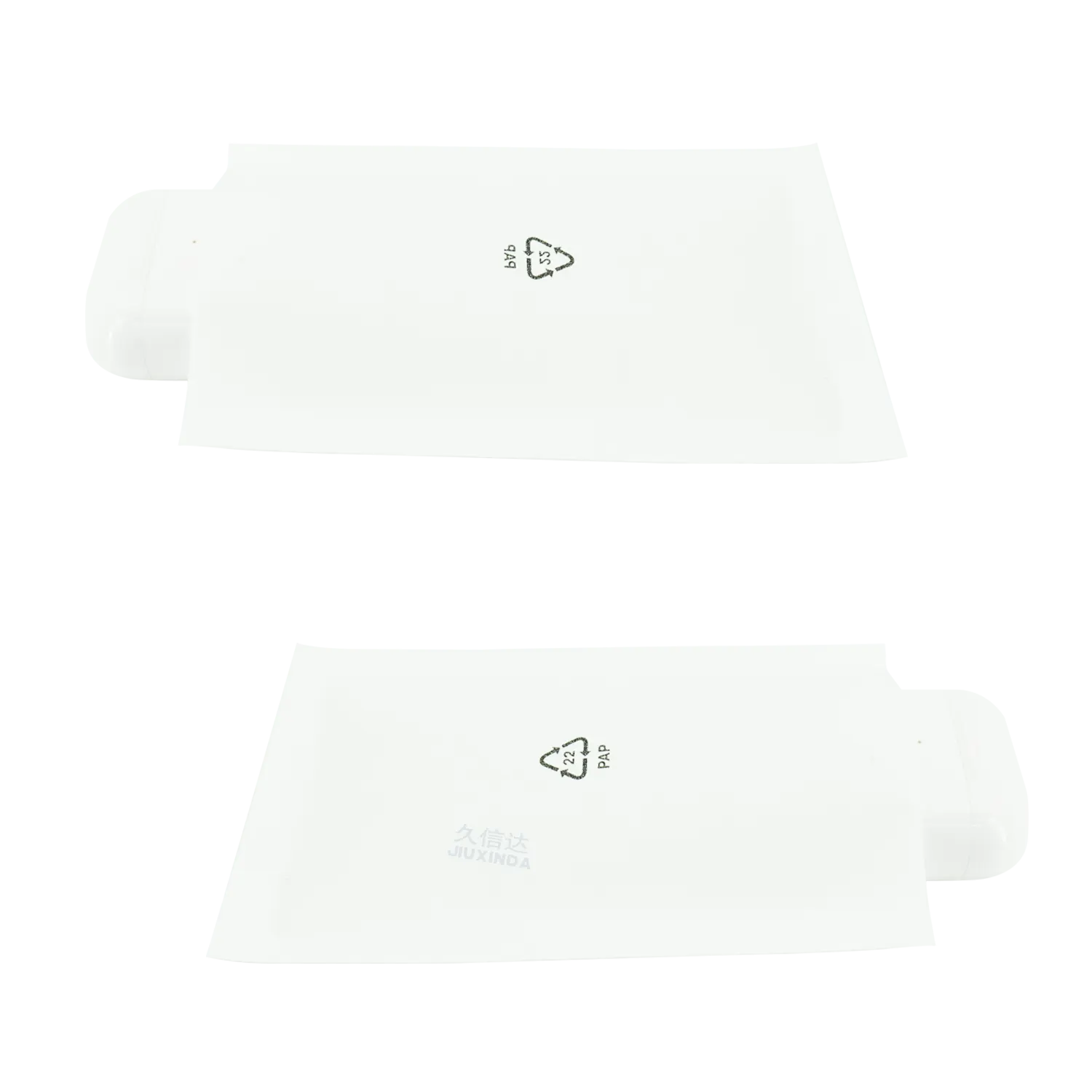
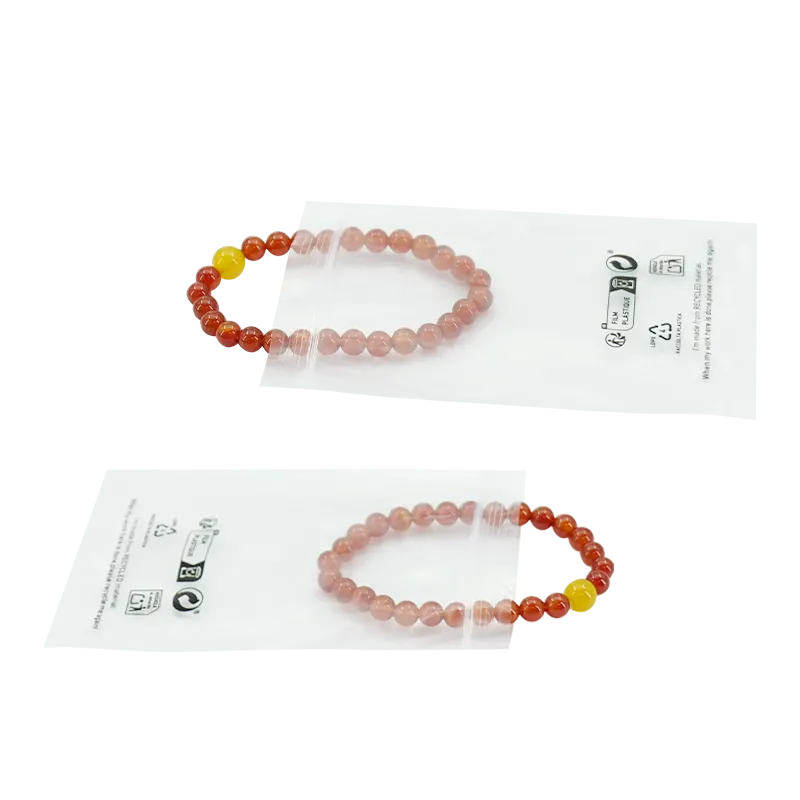
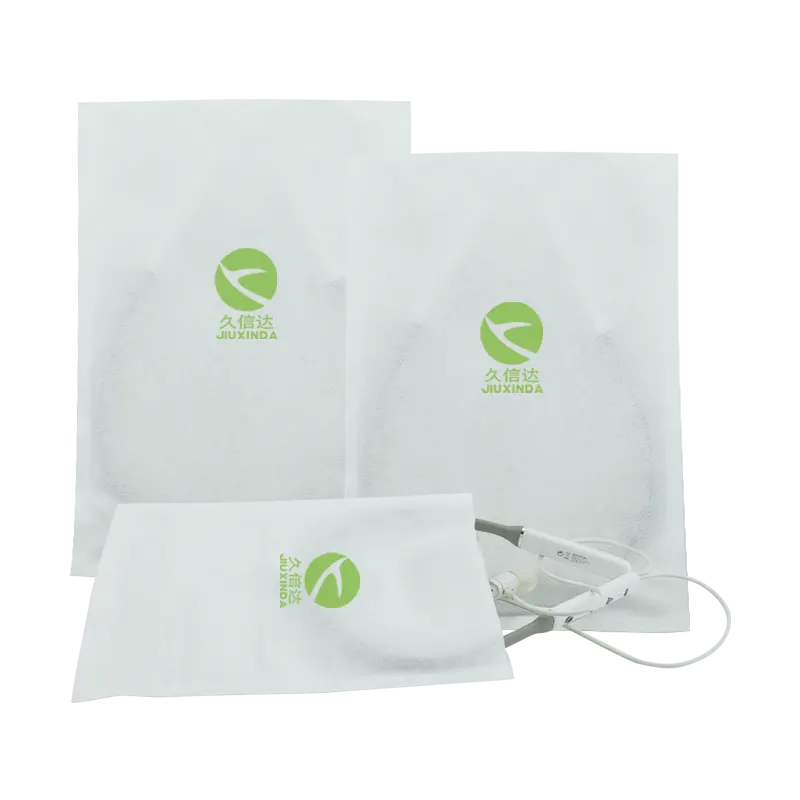
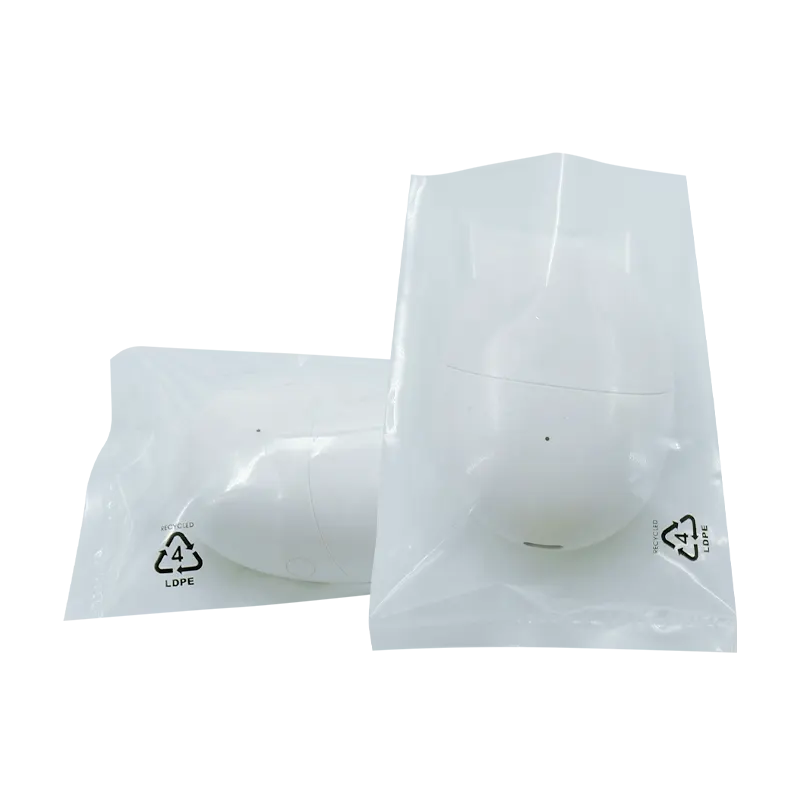
Biodegradable lunch bags boast a wide range of uses, spanning multiple daily and commercial scenarios while balancing practicality and convenience. In family settings, they serve as an excellent helper for kitchen storage and food preservation. Ideal for storing sandwiches, fruits, snacks and more, their breathable design prevents water accumulation inside the bag, keeping food fresh. Additionally, they can directly hold leftovers, which can later be degraded together with kitchen waste, eliminating the hassle of sorting and disposal. For campuses and workplaces, they are lightweight and easy to carry; students and office workers can use them to pack meals, and they take up no space when folded, solving the problem of traditional plastic bags being prone to breakage and difficult to store.Outstanding Value in Commercial Scenarios
In commercial scenarios, the value of biodegradable lunch bags is even more prominent. The catering industry uses them for takeout packaging, which not only ensures food hygiene but also conveys the brand’s environmental philosophy. Retail stores can adopt them as packaging for small commodities, combining practicality with promotional effects. Furthermore, they can be used for handicrafts, home storage and other purposes, adapting to diverse needs and truly achieving multiple uses in one—an idea that is highly consistent with JXD’s advocated product concept of "multi-function and environmental protection".Core Advantages: Eco-Friendly and Burden-Free
Compared with traditional plastic lunch bags, biodegradable lunch bags have particularly significant advantages, with environmental friendliness and no burden at their core. Traditional plastic bags are hard to degrade, taking 20 to 500 years to break down and producing microplastics that pollute soil and water sources. In contrast, biodegradable lunch bags are made from natural biomass such as PLA, which can be completely decomposed into carbon dioxide, water and organic fertilizer in the natural environment without any toxic residues, truly realizing "originating from nature and returning to nature".Additional Advantages: Durable, Reusable and Low-Carbon
In addition, they possess the characteristics of strong toughness, water resistance and durability, overcoming the drawbacks of ordinary paper bags that are easy to tear and poor in water resistance. They can be reused multiple times, balancing environmental protection and practicality. Meanwhile, their production process adopts green technology, with energy consumption only 60% of that of traditional plastic bags and carbon emissions reduced by about 40%, in line with the "double carbon" goal.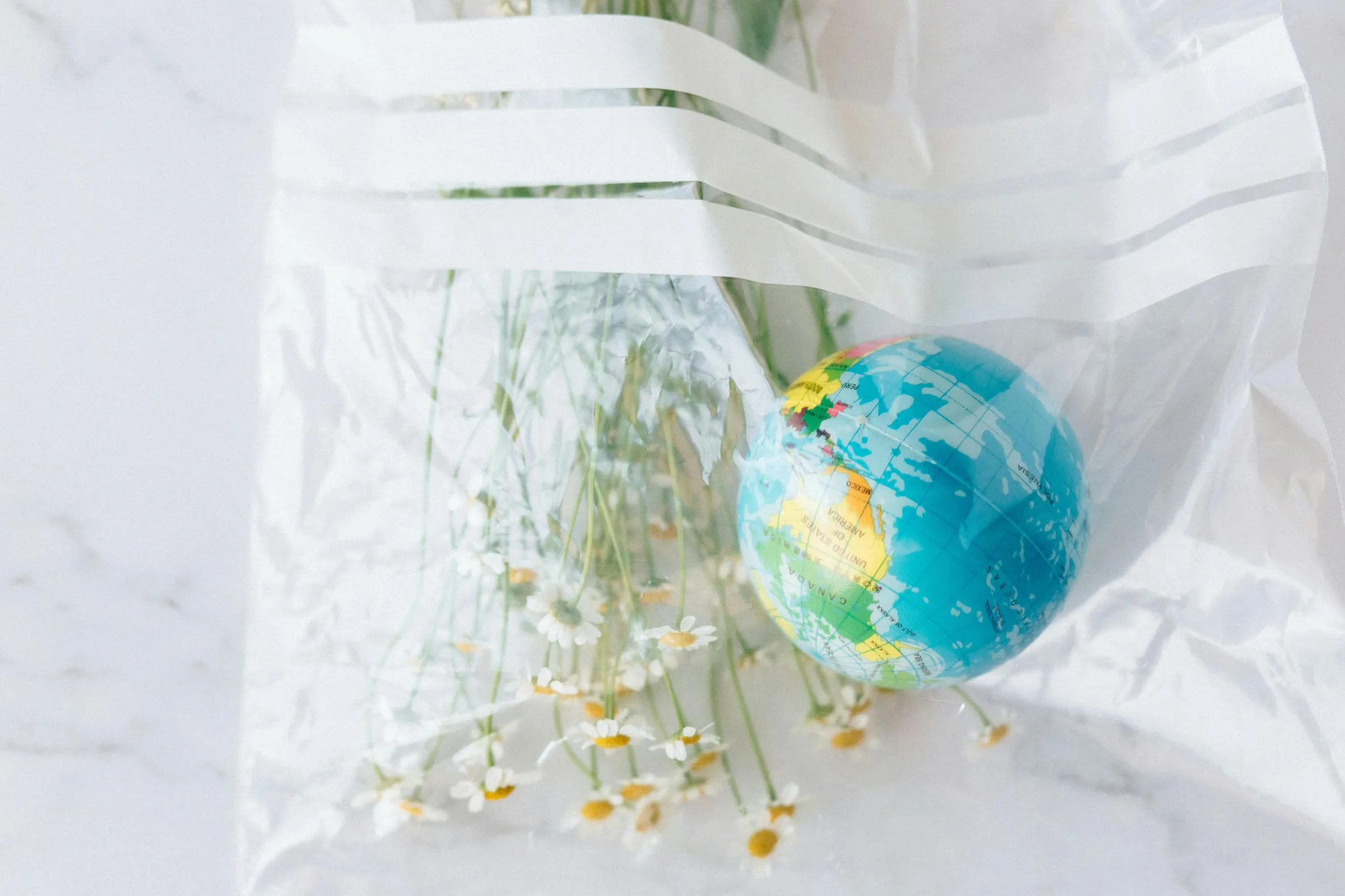
JXD: Empowering Eco-Friendly Choices with Professional Quality
As a core strategic partner for the green transformation of global brands, JXD further amplifies the advantages of biodegradable lunch bags. The biodegradable lunch bags produced by JXD have passed international authoritative certifications such as EN13432 and ASTM D6400. The material is safe, non-toxic and meets food-grade standards, making it safe to come into contact with various foods. Relying on a 6,000-square-meter modern production base and intelligent production lines, JXD not only achieves large-scale mass production to ensure stable supply but also provides customized services, adjusting sizes and patterns according to the needs of different scenarios to meet the personalized demands of families and enterprises.
Nowadays, environmental protection has become an irreversible trend. With its wide uses and prominent advantages, biodegradable lunch bags have become an important carrier for practicing a green life. Through professional technology and strict quality control, JXD ensures that each biodegradable lunch bag integrates environmental protection and practicality, not only providing convenience for people’s daily lives but also empowering enterprises’ green transformation, contributing to the global plastic reduction campaign and jointly building a sustainable green future.