Biodegradable Plant Grow Bags--A Rising Star in the Green Revolution
As global carbon neutrality goals accelerate, biodegradable plant bags are gradually transitioning from niche products to mainstream market players. Compared with traditional plastic flower pots and seedling containers, biodegradable plant bags offer the following core advantages.
1. Advantages of Biodegradable Plant Bags
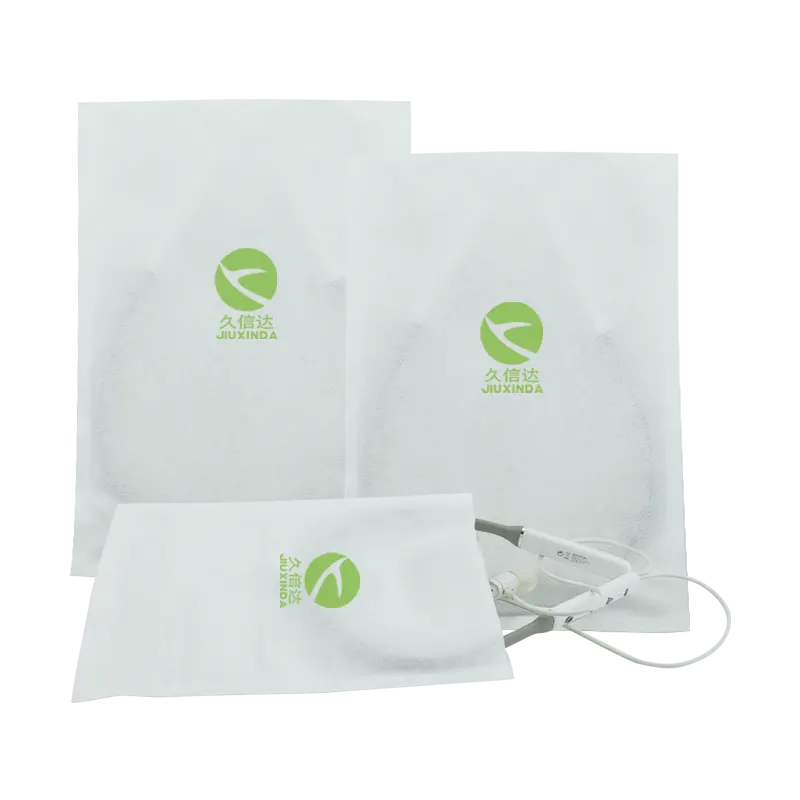
Environmental Friendliness. Biodegradable plant bags are typically made from bio-based materials such as hemp fiber, coconut coir, paper pulp, or PLA (polylactic acid). They can fully degrade in natural environments within 6 months to 2 years, breaking down into carbon dioxide and water without causing microplastic pollution in soil. Taking the JXD brand as an example, its plant bags are made from natural wood fiber, truly achieving a "from nature, back to nature" circular loop.
Promoting Healthier Plant Root Systems. Biodegradable plant bags offer excellent breathability, effectively preventing root circling and promoting uniform fibrous root growth. Research shows that seedlings cultivated in biodegradable plant bags have a transplant survival rate 15%-30% higher than those grown in traditional plastic containers.
Convenience and Labor Cost Savings. These bags can be planted directly into soil along with the plant, eliminating the need for container removal. This saves the labor-intensive steps of removing, recycling, and cleaning traditional containers, making them especially suitable for large-scale nurseries and municipal landscaping projects.

2. LinkedIn Application Strategies
As the world's largest professional social platform, LinkedIn serves as a crucial channel for B2B eco-friendly product companies to expand their international customer base. When promoting biodegradable plant bags on LinkedIn, consider the following three approaches:
Precise Target Audience Targeting. When posting content on LinkedIn, focus on targeting gardening wholesalers, nursery operators, municipal landscaping departments, home gardening e-commerce brands, and procurement decision-makers in sustainability divisions. Use industry keywords (biodegradable plant pots, eco-friendly nursery supplies, sustainable gardening) for content targeting to improve exposure precision.
Content Matrix Strategy. Adopt a content mix of "professional insights + scenario showcase + customer endorsements": regularly publish industry data reports (e.g., global biodegradable horticulture market size and growth rate), live photos and short videos of product applications, and customer case studies. JXD's recent LinkedIn series titled "From Seed to Transplant — A Complete Biodegradable Bag Journey" garnered over 3,000 interactions, effectively enhancing brand recognition among overseas buyers.
KOL and Industry Community Engagement. Proactively connect with overseas gardening influencers and environmental KOLs for product reviews, while joining popular communities such as "Green Industry Professionals," "Sustainable Agriculture," and "Garden & Landscape Design." Naturally integrate product information while providing valuable insights to build professional credibility.
3. Development Prospects
The development prospects of biodegradable plant bags can be viewed from three dimensions: policy, demand, and technology.
Policy-Driven Growth. The EU's Single-Use Plastics Directive, plastic restriction regulations enacted by various U.S. states, and China's "14th Five-Year Plan" for Circular Economy Development have all created mandatory substitution demand for biodegradable horticulture products. It is estimated that by 2028, the global biodegradable horticulture container market will exceed $1.5 billion, with a compound annual growth rate (CAGR) exceeding 9%.
Consumption Upgrade. End consumers' preference for "green consumption" is growing stronger, and they are willing to pay a premium for environmental benefits. Survey data shows that approximately 67% of European and American home gardening consumers say they prefer purchasing plants packaged in biodegradable materials.
Technological Iteration. Current biodegradable plant bags still have room for improvement in water resistance, load-bearing capacity, and cost control. Leading companies like JXD are increasing R&D investment, exploring next-generation materials based on wood pulp fiber, aiming to reduce costs by 30%-40% while maintaining full biodegradability, ultimately achieving price parity with conventional plastic products.
Conclusion: The biodegradable plant bag sector is currently experiencing a triple convergence of policy benefits, demand upgrades, and technological breakthroughs. For related enterprises, establishing brand recognition and accumulating customer trust on overseas B2B platforms early on will be key to capturing this wave of green opportunities. The practices of industry pioneers like JXD have also proven that biodegradability is not a gimmick — it is an intersection point where genuine commercial value and social value can be realized.