How to Choose a Reliable Biodegradable Mailer Bags Supplier
For procurement professionals, selecting biodegradable mailer bags is far more complex than sourcing traditional plastic shipping bags. The eco-friendly materials market is filled with competing claims — "degradable," "compostable," "bio-based" — and choosing the wrong supplier can lead to products failing market entry requirements or exposing your company to ESG compliance risks.
This article approaches the topic from a procurement perspective, outlining the key considerations when evaluating biodegradable mailer bag suppliers to help businesses make informed decisions.
1. Certifications: EN 13432 Is Just the Starting Point
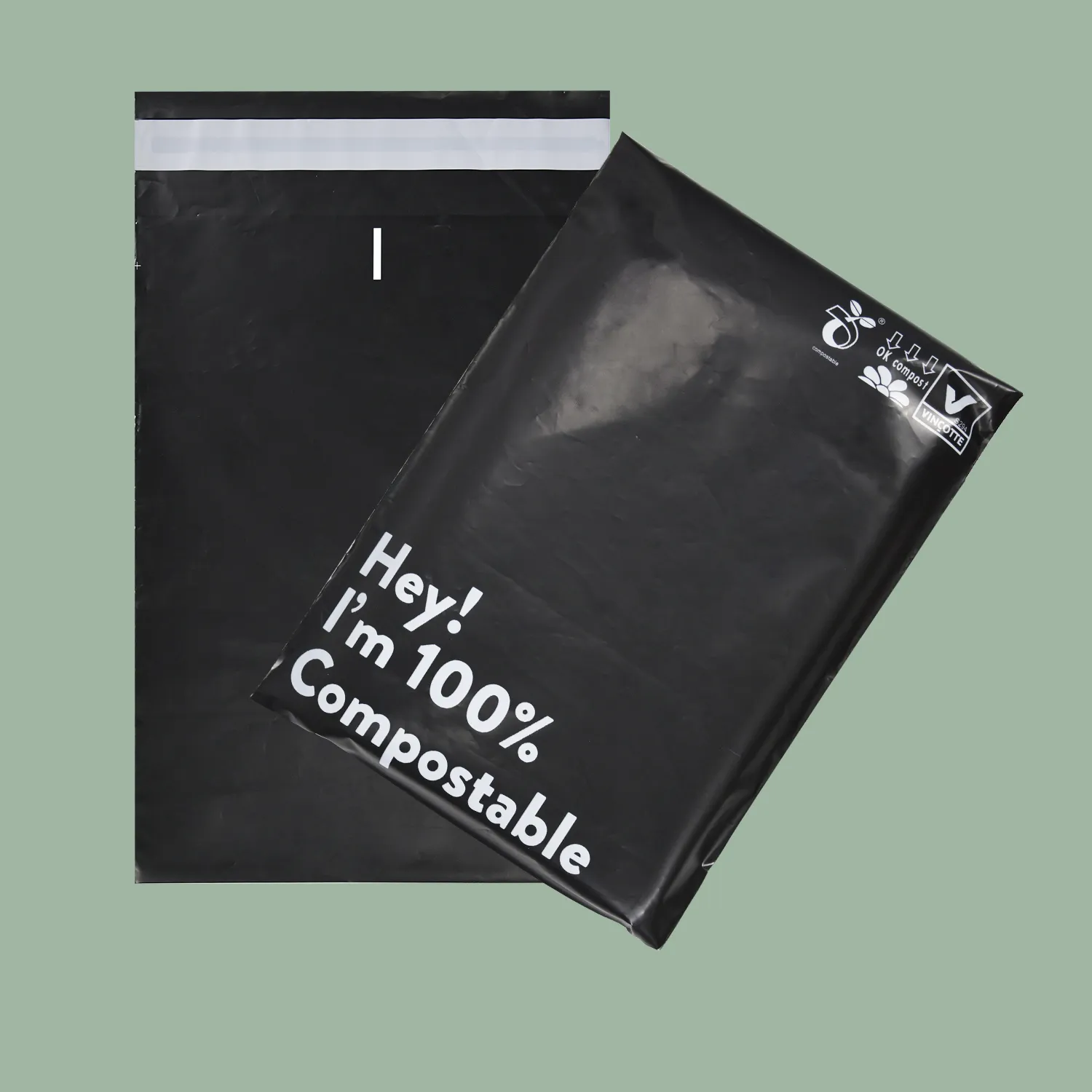
For entering the European market, EN 13432 certification is the essential "passport" for biodegradable packaging. However, procurement teams must look beyond the certificate itself: does it cover the specific product specifications you are purchasing? Some suppliers only certify certain thickness ranges or material combinations. If your order falls outside the certified scope, the actual product may not meet biodegradability requirements.
Additionally, certifications like OK Compost and Seedling Logo vary in recognition across European countries. For instance, the German market places high value on Dincertco's Seedling logo, while Belgian buyers tend to prefer Vinçotte's OK Compost certification. Always confirm your target market's preferred certification before procurement. Suppliers like Factory JXD typically proactively provide complete certification documents and technical specifications, enabling procurement teams to quickly complete compliance reviews.
2. Material Composition: Bio-Based Content and Degradation Conditions Must Be Clear
Biodegradable mailer bags use various material systems, including PBAT+PLA, PBAT+corn starch, and pure PLA. Different ratios directly impact degradation performance, load-bearing capacity, and cost.
Procurement teams should focus on two core questions:
Is the bio-based content verified by a third party? European brands increasingly prioritize renewable material ratios. ISCC PLUS certification or laboratory reports add credibility.
Is the degradation condition industrial or home composting? Most biodegradable mailer bags require industrial composting facilities (above 58°C) to fully decompose. If your customer's country lacks such infrastructure, actual degradation results may fall short.
When communicating with Factory JXD, procurement can request third-party test reports for materials, clarifying bio-based ratios and degradation condition specifications to avoid future customer complaints.
3. Functional Performance: Eco-Friendly Should Not Mean Compromised Usability
The biggest pain point in sourcing biodegradable mailer bags is "eco-friendly but impractical." Common issues include insufficient load-bearing capacity, seal failures, poor moisture resistance, and inadequate ink adhesion.
Procurement teams should focus on the following during quality inspection:
Tensile strength and drop testing: Simulate real-world shipping scenarios to ensure the bags can withstand daily logistics pressures.
Heat seal performance: Check whether seals are secure to prevent splitting during transit.
Print quality: Biodegradable materials have lower surface energy, which may affect ink adhesion compared to traditional PE bags. Confirm print durability.
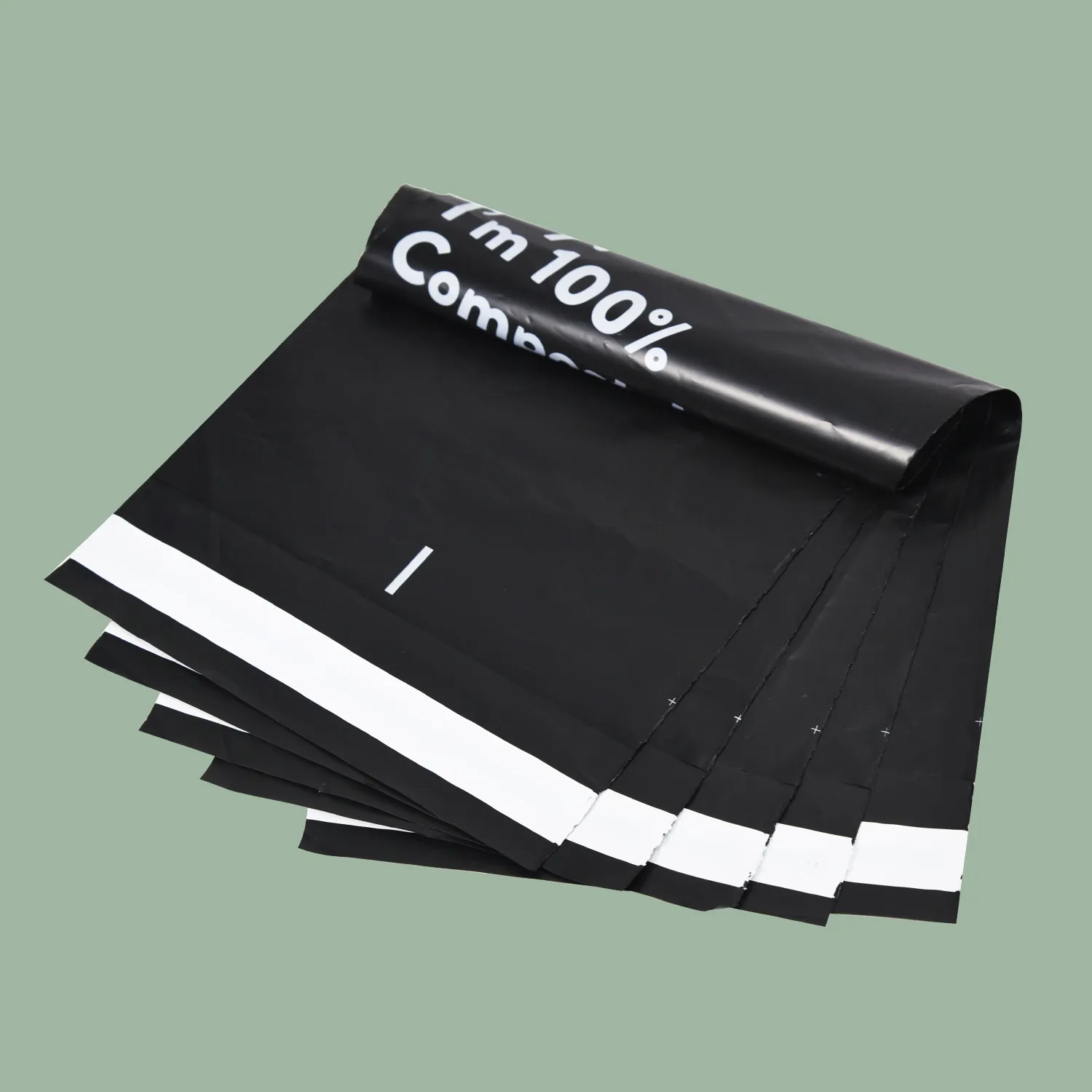
Many procurement professionals have reported that Factory JXD has optimized the functionality of their biodegradable mailer bags, with stable load-bearing and sealing performance that reduces after-sales complaints from end customers.
4. Pricing and MOQ: Beware of the "Low-Price Trap"
Biodegradable materials generally cost more than conventional plastics, but procurement teams should still be wary of unusually low prices. Some suppliers cut costs by reducing biodegradable material content, using non-certified raw materials, or skipping testing steps — resulting in products that may fail certification testing.
MOQ (Minimum Order Quantity) is another factor procurement must balance. European SME brands often have limited order volumes per purchase. If a supplier's MOQ is too high, it can lead to inventory buildup. Choosing a supplier with flexible MOQs and support for multi-specification mixed orders effectively reduces procurement risk.
5. Sample Testing: Free Samples Reflect Supplier Confidence
Sample testing is an essential step before any bulk purchase. Procurement teams should:
Request free samples covering target specifications and printing designs.
Send samples to third-party laboratories for degradation performance and safety testing.
Verify production quality stability through small-batch trial orders.
Suppliers willing to provide free samples typically have confidence in their product quality. This is also an effective way to screen for reliable suppliers.
Sourcing biodegradable mailer bags requires professional judgment. From certifications and material composition to functional performance, pricing, and sample testing, every step can impact the final procurement decision. Choosing a supplier with complete certifications, stable quality, and responsive communication is the key to successful procurement.