Apr.02.2026
Key Considerations for Purchasing Custom Padded Mailers
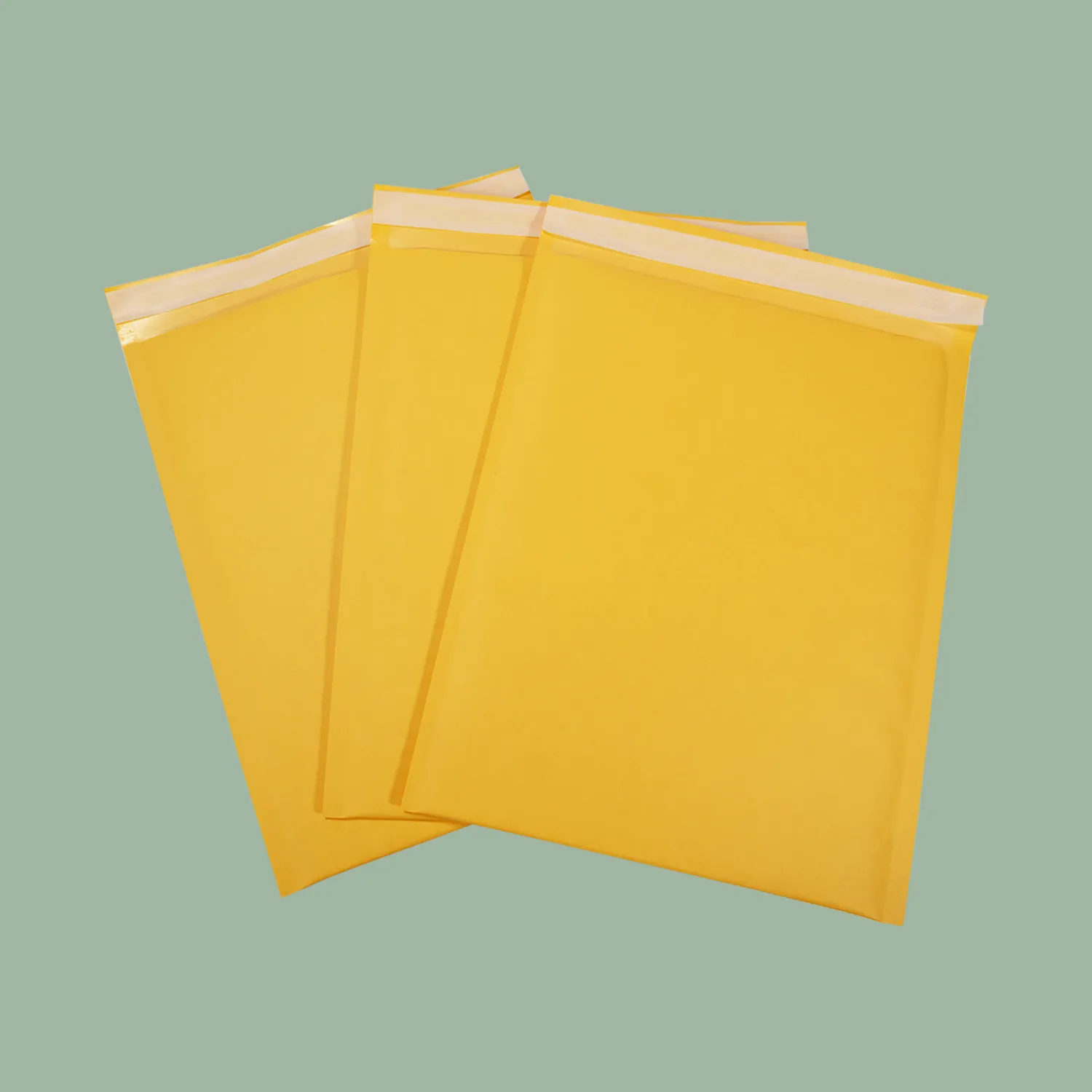
In today's era of increasingly refined e-commerce logistics and product transportation, Custom Padded Mailers have become an important carrier for protecting goods and highlighting brand image. When purchasing such customized packaging, it is necessary to balance protection, customization adaptability, cost control and compliance, and avoid common pitfalls, so as to achieve dual improvement in practicality and cost-effectiveness. The following are the key aspects that need to be focused on during the purchasing process.
I. Material Selection: Lay a Solid Foundation for Protection and Meet Environmental Needs
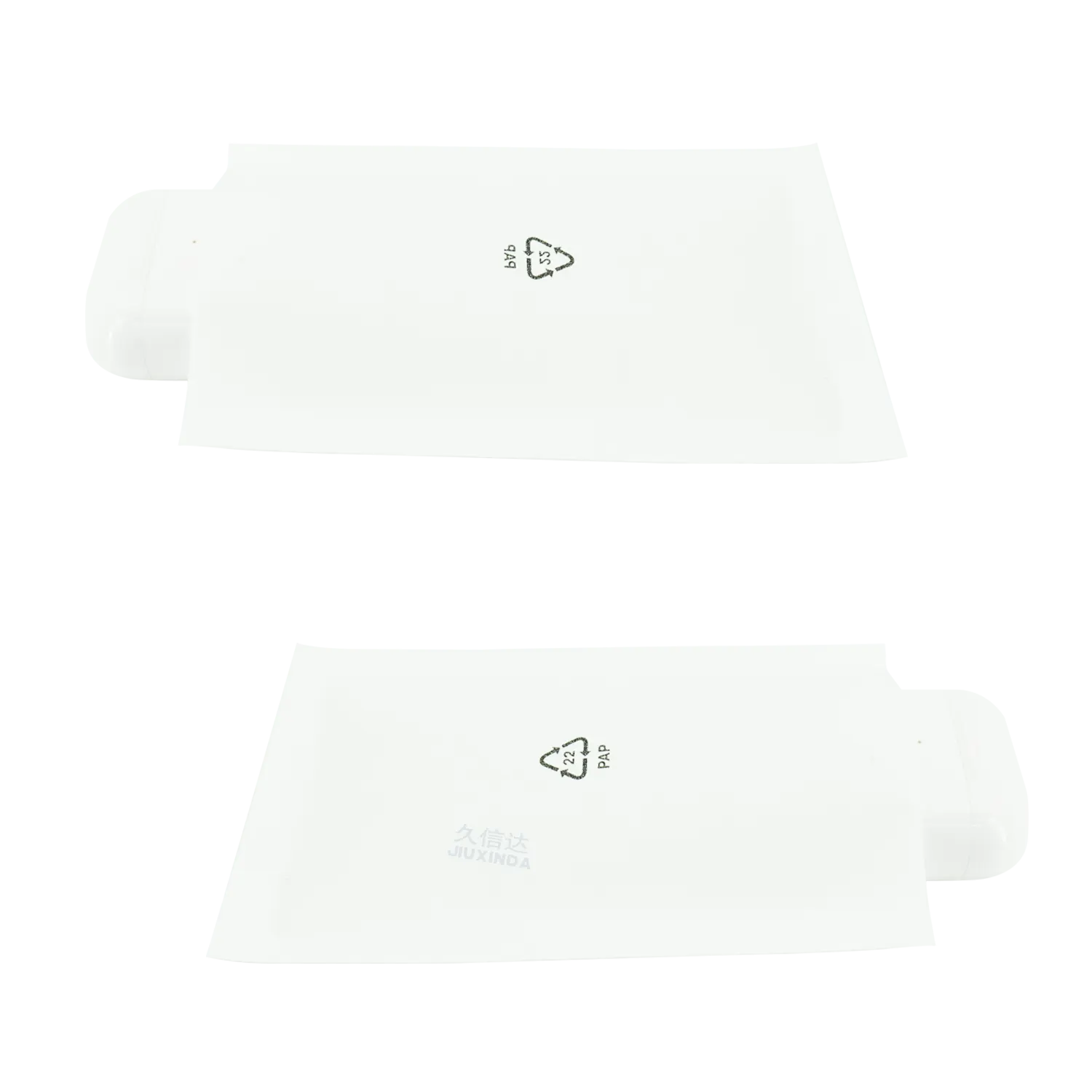
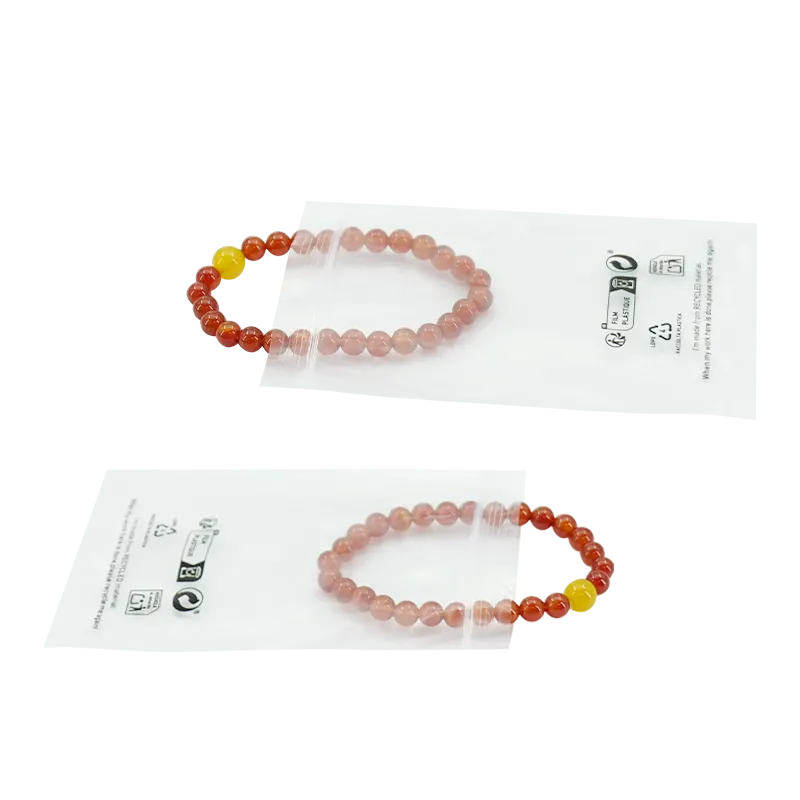
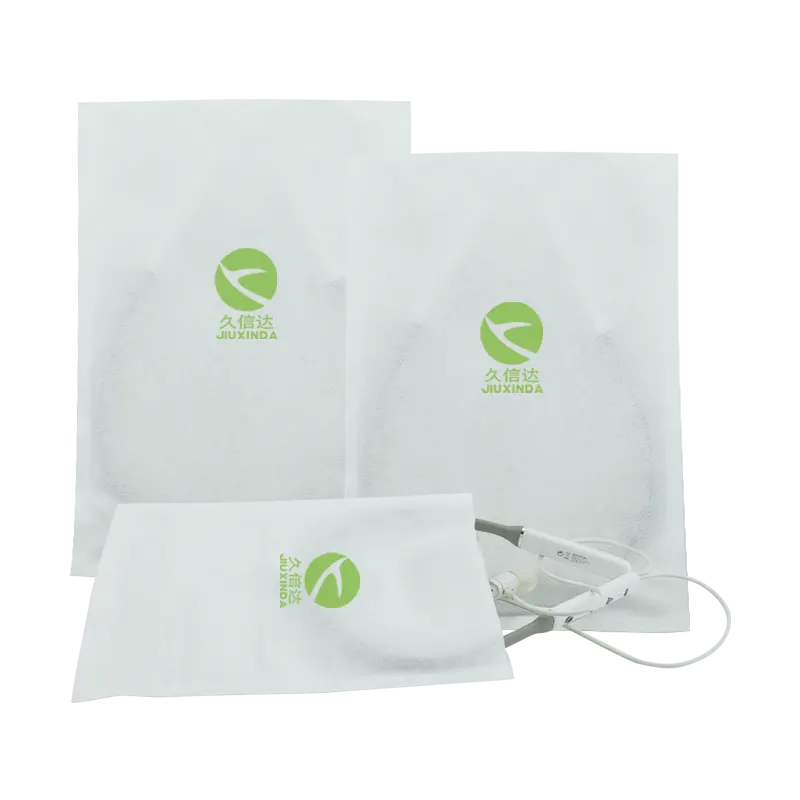
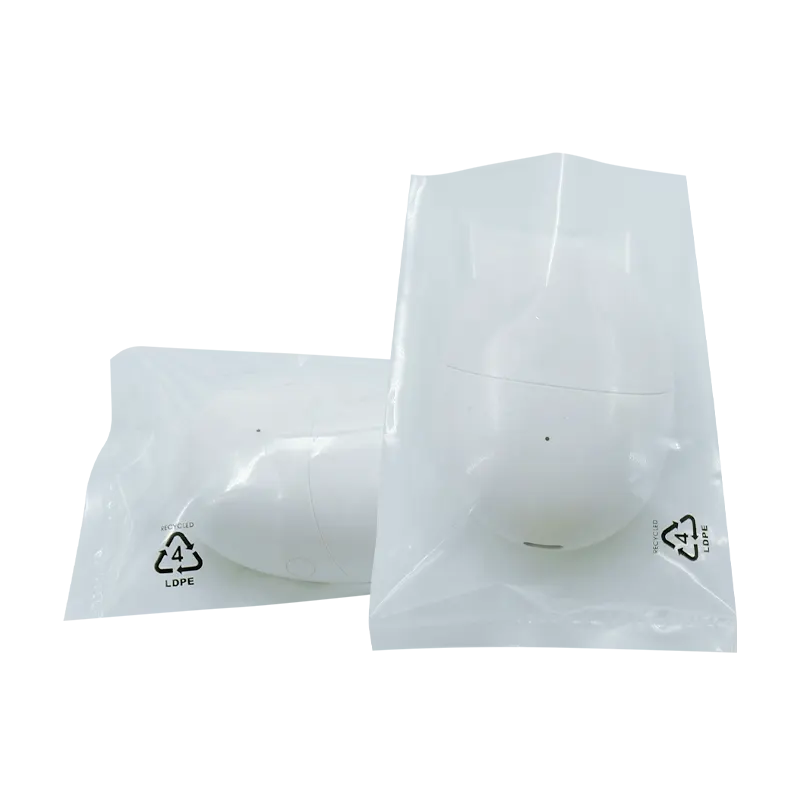
Material selection is the core of purchasing, which directly determines the protective effect and applicable scenarios of padded mailers. The outer material should be selected according to the product characteristics: kraft paper is environmentally friendly and simple, suitable for clothing, daily necessities, etc.; PE film-coated models can enhance waterproof and stain-proof capabilities; co-extruded film and pearlescent film are more wear-resistant and tear-resistant, suitable for delicate items such as 3C accessories and jewelry. For the buffer layer, bubble film is preferred. Its diameter and thickness should match the brittleness of the product. Thick bubble layers can be used for precision electronic components, while conventional thickness is sufficient for small and light accessories to avoid increased costs due to over-packaging. At the same time, priority should be given to JXD degradable and recyclable materials, which are in line with the trend of green logistics and meet the environmental compliance requirements of cross-border e-commerce.

II. Specification Customization: Precise Adaptation, Balancing Practicality and Brand
Specifications and customization details need to accurately match the product and brand tone. In terms of specifications, the size of the envelope should be set according to the product size and weight, with a 1-2cm buffer space reserved to avoid damage caused by shaking of goods due to being too large or failure to load due to being too small. At the same time, lightweight should be considered to reduce logistics costs. In terms of customized design, flexographic printing can be selected for small batches, which is cost-controllable and has clear effects; offset printing can be used for large batches to improve color layering. The design draft should use vector files, with clear bleed positions and color standards to avoid cutting errors or color differences. Brand logos and contact information can be added to enhance brand exposure.
III. Supplier Selection: Strictly Control Quality and Optimize Costs
Supplier selection and cost control are the keys to purchasing. Priority should be given to suppliers with qualification certification and similar customized cases. Focus on inspecting their production cycle, quality control system and after-sales service. Avoid manufacturers with excessively low quotes to prevent problems such as shoddy materials and blurred printing. Cost accounting should be refined, with clear details such as material costs and plate-making fees. For small-batch purchases, you can ask about joint-plate production to share the plate-making cost. At the same time, confirm the minimum order quantity and delivery cycle to fit your own production and sales rhythm, and avoid inventory backlog or supply delay. JXD has complete qualifications and supports customization.
IV. Detail Control: Enhance Functions and Avoid Purchasing Risks
It is necessary to pay attention to functional and practical details to reduce transportation and purchasing risks. For transporting electronic components, anti-static materials can be selected to ensure that the surface resistance meets industry standards; the self-adhesive seal should be firm to prevent opening during transportation, and at the same time, it should be easy to tear to improve the customer's unboxing experience. Before purchasing, it is necessary to request samples to confirm that the material, printing and specifications meet expectations. Clearly specify the quality standards, defective product handling plans and payment methods in the contract to fully avoid purchasing risks.
In summary, purchasing Custom Padded Mailers needs to comprehensively consider multiple aspects such as materials, specifications, suppliers and details around core needs, so as to purchase padded mailers that are suitable for products and highlight the brand, and escort product transportation.