Analysis of Industry Demand and Procurement Value of Biodegradable Mailing Bags
Against the backdrop of global plastic bans and the ESG trend, biodegradable mailing bags have shifted from an environmental "bonus item" to an essential procurement product for cross-border and domestic logistics. Featuring compliance value, strong market growth potential and wide scenario adaptability, they have become a top priority for packaging procurement.
I. Market Prospect: Driven by Policies + Surge in Demand with Strong Growth Certainty
The global market for biodegradable mailing bags is entering a period of rapid growth. In 2025, the global market size reached approximately $554 million, and it is projected to reach $1.142 billion by 2032, with a compound annual growth rate of 11.0%. The Chinese market is growing even faster: the scale of biodegradable bags for express packaging reached about 5 billion yuan in 2025, and its penetration rate will reach 15%–20% in 2026, with an annual growth rate exceeding 35%.The core drivers come from three aspects:First, mandatory policy substitution. China’s 14th Five-Year Plan for Plastic Pollution Control, the EU’s EPR regulations, and North America’s BPI certification requirements clearly prohibit non-degradable packaging in e-commerce and express delivery industries by 2026, creating rigid demand.Second, cross-border trade barriers. The EU and Southeast Asia have tightened environmental compliance reviews on imported packaging; uncertified products face customs clearance obstacles and heavy fines.
Third, cost and technological optimization. With mature mass production of PLA/PBAT, prices have dropped by 40% compared to 2020, continuously improving cost performance and accelerating replacement of traditional PE mailing bags.
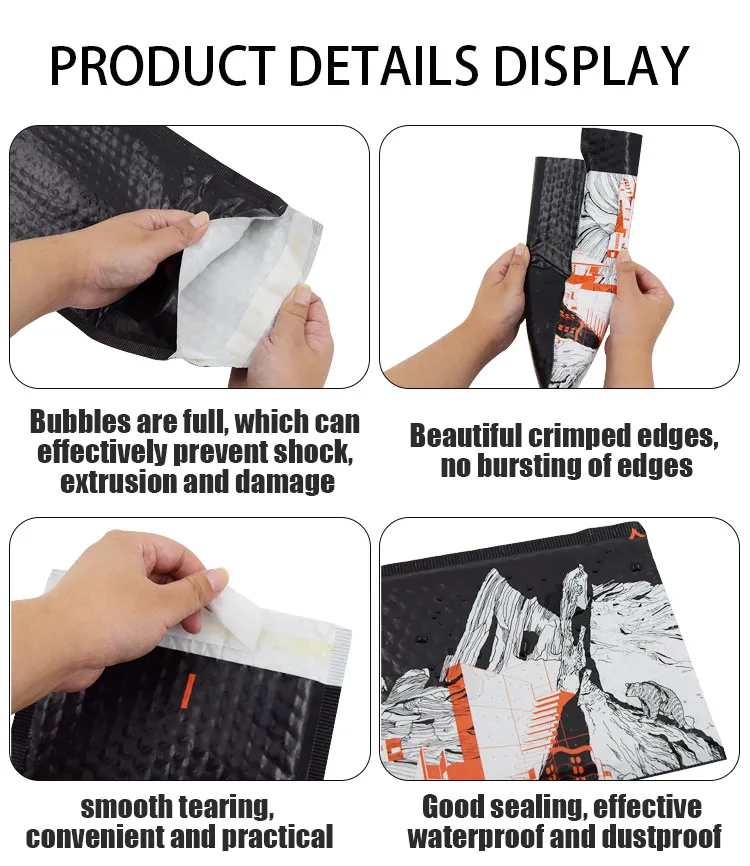
II. Application Fields: Full-Scenario Coverage to Meet Diverse Procurement Needs
With waterproof, tear-resistant and compostable properties, biodegradable mailing bags cover the entire logistics spectrum and have become a standard procurement item across industries:
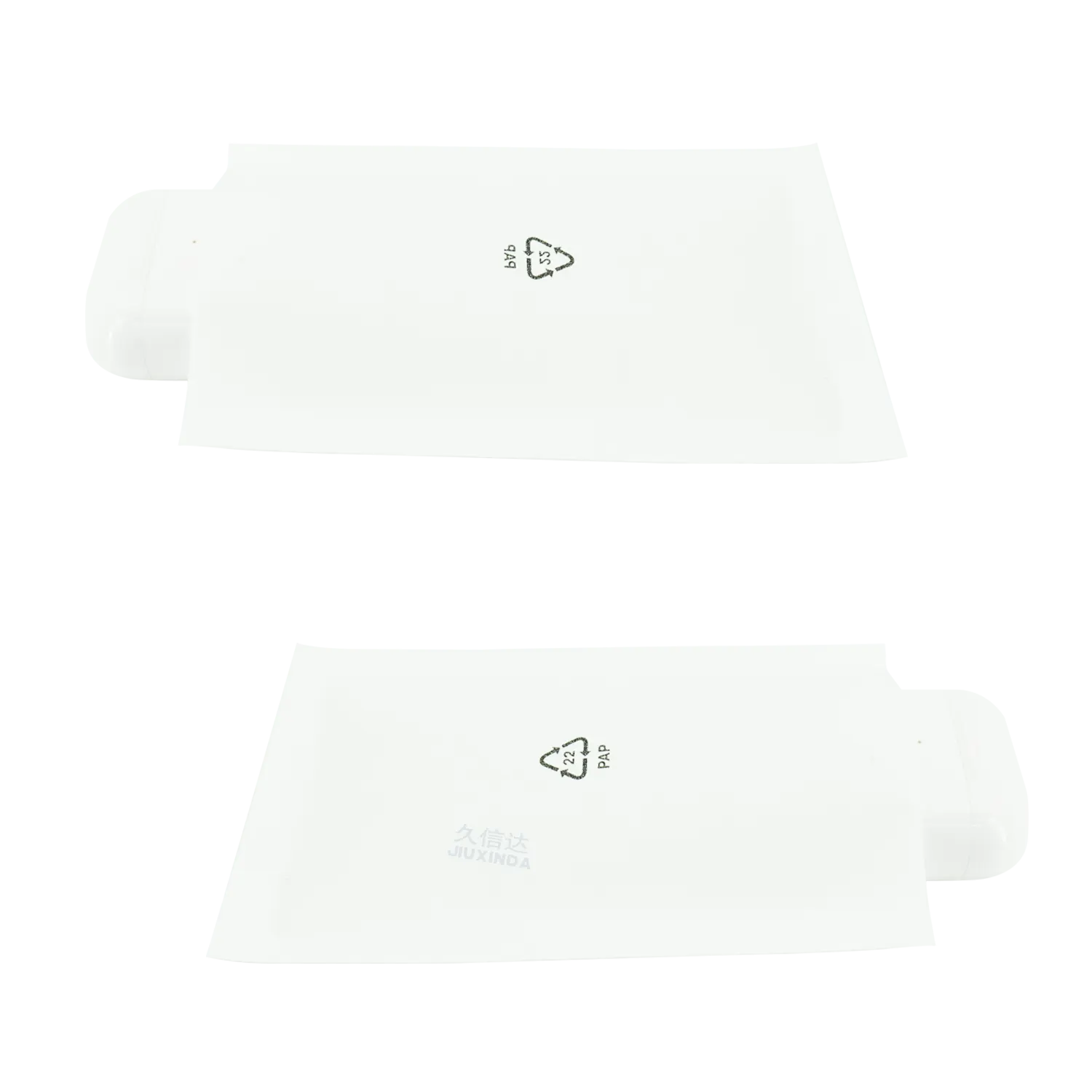
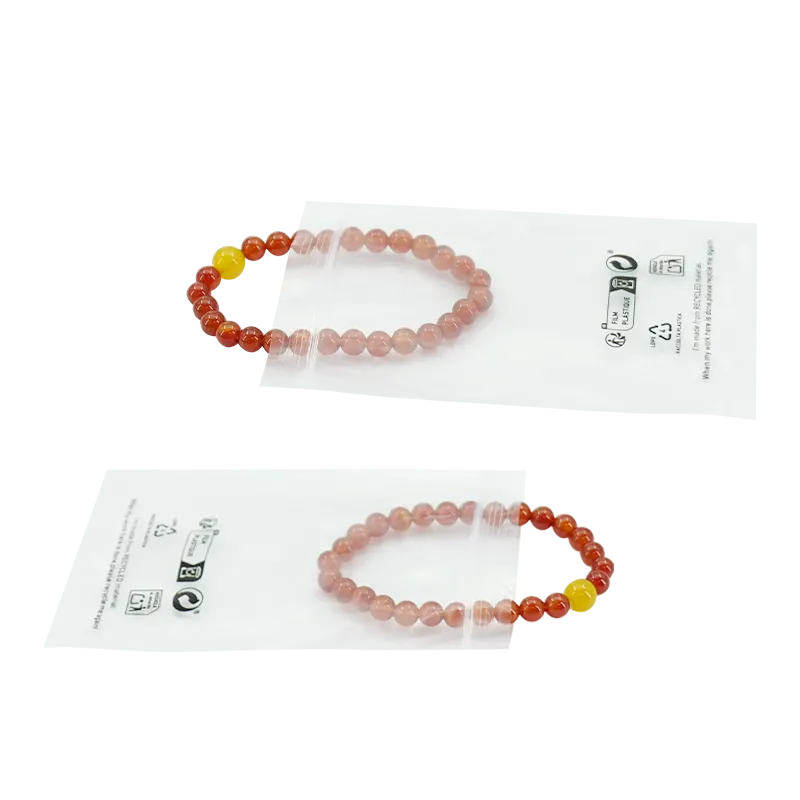
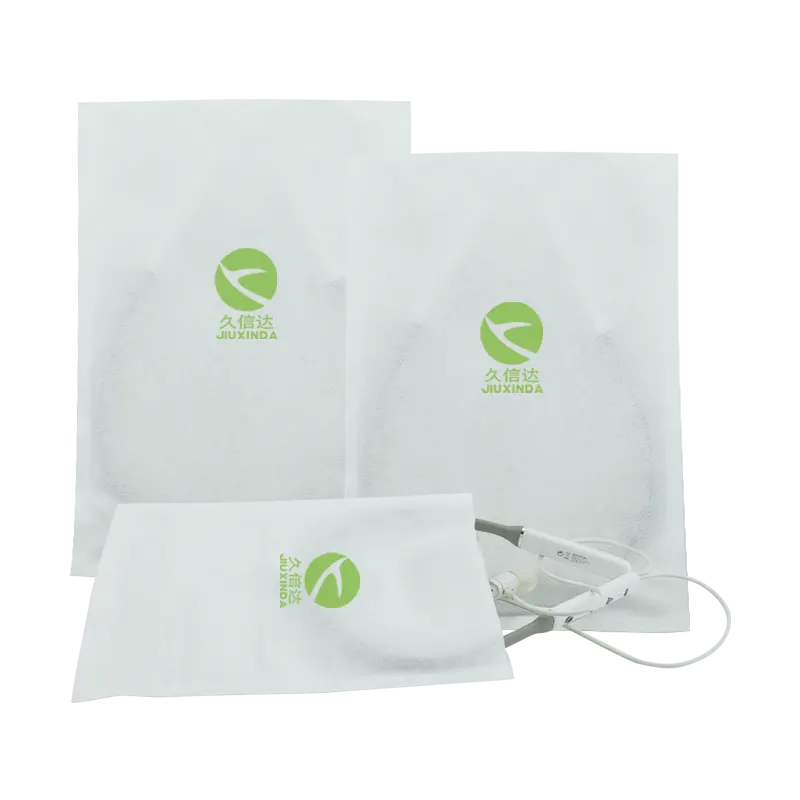
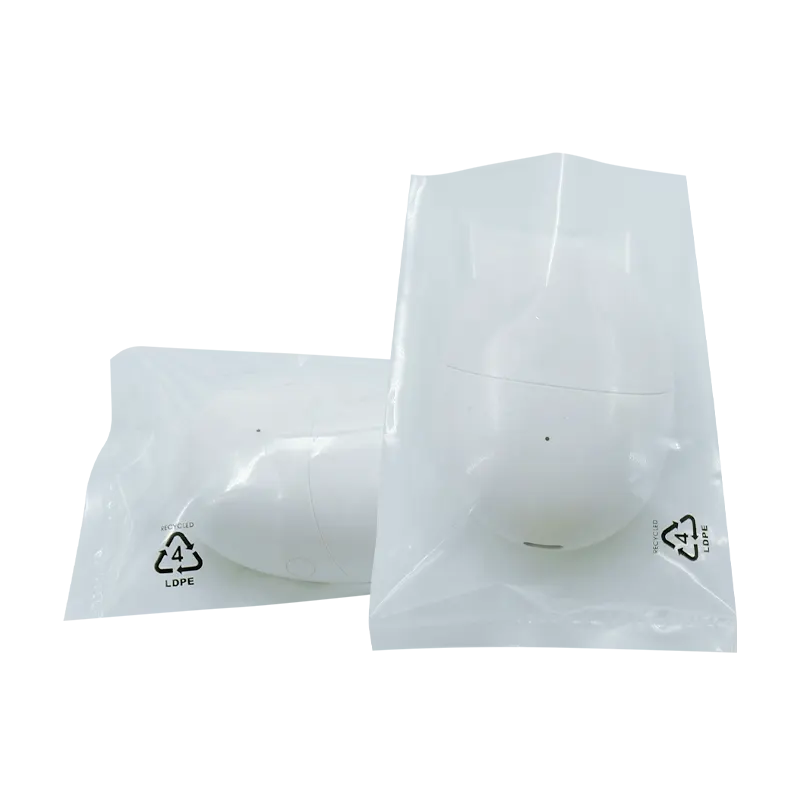
- E-commerce & Retail: Packaging for clothing, 3C accessories and cosmetic samples. Supports multi-color printing and custom LOGOs, balancing brand presentation and environmental compliance, making it a core procurement category for cross-border e-commerce.
- Express & Logistics: Widely adopted by leading enterprises such as SF Express and JD Logistics. Compatible with automated sorting lines, with a load capacity of 3–5kg and excellent waterproofing, meeting the transportation protection needs of hundreds of millions of parcels daily.
- Fresh Food & Pharmaceuticals: Food-grade, plasticizer-free formula that directly contacts fresh produce and medicines, complying with FDA and GB/T 38082 standards, solving dual pain points of safety and environmental protection in cold-chain packaging.
Industry & Cross-Border: Customizable anti-static and puncture-resistant coatings for precision products like electronic components and hardware, meeting environmental access requirements in Europe, America, Southeast Asia and other markets.
III. Procurement Considerations: Three-Dimensional Control of Compliance, Performance and Cost
Procurement of biodegradable mailing bags must move beyond a "lowest-price-only" mindset and focus on three core points to avoid compliance and quality risks:
- Priority on compliance certifications: Authoritative certifications including EN13432, BPI, FDA and GB/T 38082 must be verified. "Pseudo-degradable" products should be rejected to ensure compliance with target market environmental regulations and avoid trade barriers and fines.
- Performance and supply chain adaptability: Focus on verifying tensile strength (≥25MPa), tear resistance and water resistance, and require suppliers to provide batch test reports. Prioritize manufacturers supporting custom sizes, multi-color printing and automated packaging lines, with a yield rate ≥99% to reduce procurement waste.
Cost and risk control: Lock in prices through "bulk procurement + annual framework agreements" to balance upfront premiums and long-term compliance benefits. Evaluate supplier production capacity and raw material stability to avoid supply disruptions caused by PBAT/PLA price fluctuations. Meanwhile, calculate waste disposal costs and conduct a comprehensive assessment of total cost of ownership (TCO).
In summary, biodegradable mailing bags are a preferred procurement choice driven by policy demand, high market growth and full-scenario application. They not only meet enterprises’ needs for green transformation and cross-border compliance but also enhance brand ESG image. On the procurement side, companies should take compliance as the bottom line, performance as the core and cost as the leverage, selecting suppliers with complete certifications and stable supply chains to achieve a win-win situation for environmental protection and benefits.