GRS Plastic Bag Packaging: The Future of Sustainable Packaging
GRS (Global Recycled Standard) is a certification for plastic products that verifies the inclusion of certified recycled materials and compliance with strict environmental, social responsibility, and traceability requirements. GRS plastic bag packaging not only helps reduce plastic waste but also meets brands' compliance needs for their sustainable development commitments.
Major Application Industries
1. Fashion and Retail Industry
Apparel, footwear, and accessory brands are primary adopters of GRS plastic bag packaging. These brands need to showcase their eco-friendly image, and GRS-certified shopping bags and packaging bags can effectively convey sustainable concepts to attract environmentally conscious consumers.
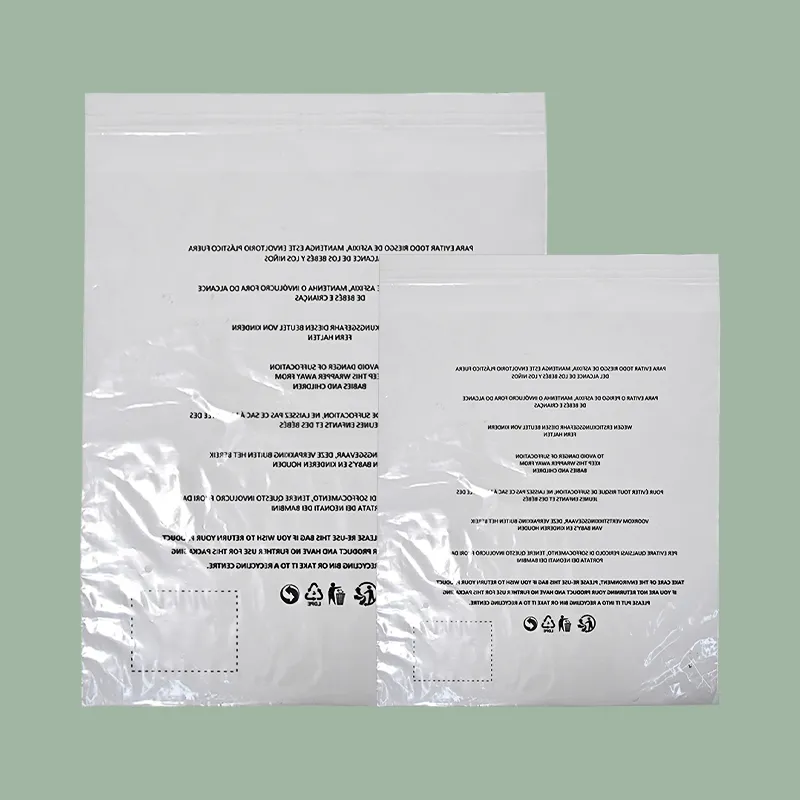
2. Food and Beverage Industry
As consumer demand for eco-friendly packaging grows, food companies are increasingly adopting GRS-certified plastic bags for bread, snacks, dried goods, and other product packaging. These packages not only maintain freshness but also comply with food contact material safety standards.
3. E-commerce Industry
E-commerce logistics generates substantial packaging waste, and using GRS plastic bags can significantly reduce environmental footprints. Many e-commerce platforms and logistics companies have begun using GRS-certified courier bags and packaging bags to fulfill environmental responsibilities.
4. Beauty and Personal Care Industry
Beauty brands have high requirements for both packaging texture and environmental standards. GRS plastic bags maintain product aesthetics while reducing carbon emissions through the use of recycled materials.
5. Medical and Pharmaceutical Industry
Some medical consumables and pharmaceutical packaging have also started using GRS-certified materials, promoting green transformation in the industry while ensuring medical-grade safety.

Considerations for Supplier Selection
1. Verify Certification Qualifications
When selecting suppliers, confirm they hold valid GRS certification and check whether the certification scope covers the required products. Request copies of certificates from suppliers and verify authenticity through the Textile Exchange official website.
2. Verify Recycled Material Content
The GRS standard requires products to contain recycled materials at a certain minimum percentage (such as 20%, 50%, or 100%). Clarify the actual recycled material content declared by the supplier and request relevant test reports.
3. Traceability Management
Quality suppliers should provide complete supply chain traceability information, including the source of recycled materials, processing records, and transportation documentation. This helps ensure products meet GRS standard traceability requirements.
4. Quality and Performance Testing
Despite emphasizing environmental protection, packaging functionality cannot be overlooked. Require suppliers to provide physical performance test reports, such as tensile strength, tear resistance, sealing performance, etc., to ensure products meet actual usage requirements.
5. Production Environment Audit
Understand whether the supplier's production environment meets GRS requirements for chemical management, wastewater treatment, and environmental protection. If necessary, arrange third-party audits to ensure continued supplier compliance.
6. Price and Cost-Effectiveness
GRS products typically command higher prices than traditional products but should not be excessively overpriced. Compare quotes from multiple suppliers, comprehensively considering quality, service, and delivery terms to select the most cost-effective partner.
7. Stable Supply Capability
Assess the supplier's production scale, inventory management, and delivery capabilities to ensure continuous fulfillment of order requirements and avoid business disruptions due to supply chain interruptions.
8. Technical Support and Service
Choose suppliers capable of providing professional technical support, including product customization, printing design, packaging optimization recommendations, etc., to enhance packaging practicality and brand value.
Conclusion
GRS plastic bag packaging is an important tool for companies to achieve sustainable development goals. By understanding its major application industries and carefully selecting suppliers, companies can not only effectively reduce their environmental footprint but also establish a responsible brand image in consumers' minds, gaining competitive advantages in the wave of the green economy.