Custom Garment Packaging Bags
Choosing a self-seal garment bag manufacturer starts with the product itself. The bag must fit the folded garment, protect it through packing and storage, and match the brand's environmental and compliance requirements. JXD Eco-packaging develops custom garment packaging bags in recyclable PE, plant fiber and PLA+PBAT materials. Size, thickness, closure, ventilation holes, printing, samples and delivery standards are confirmed around the actual garment and destination market.
What Is a Self-Seal Garment Bag?
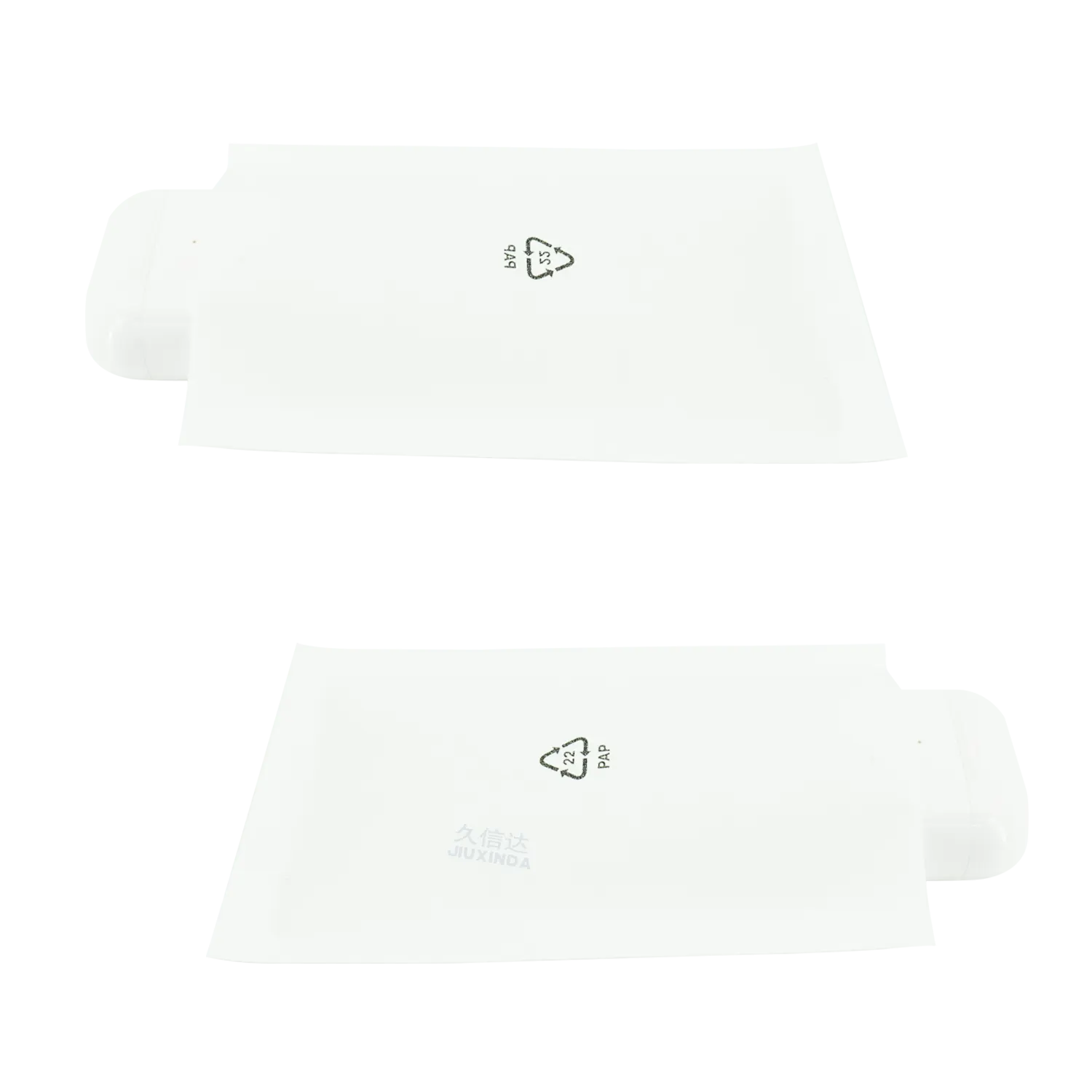
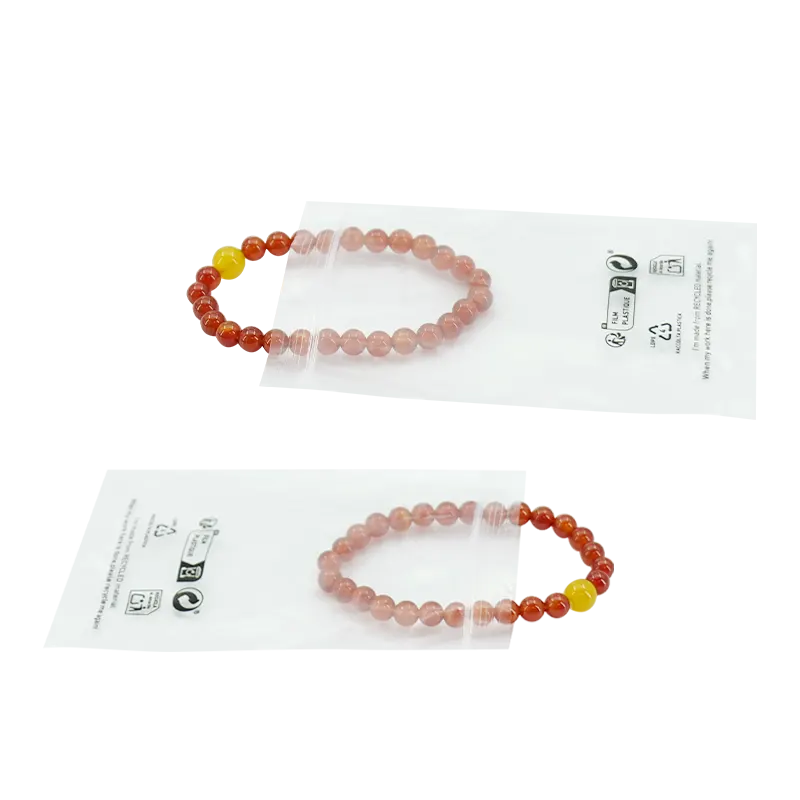
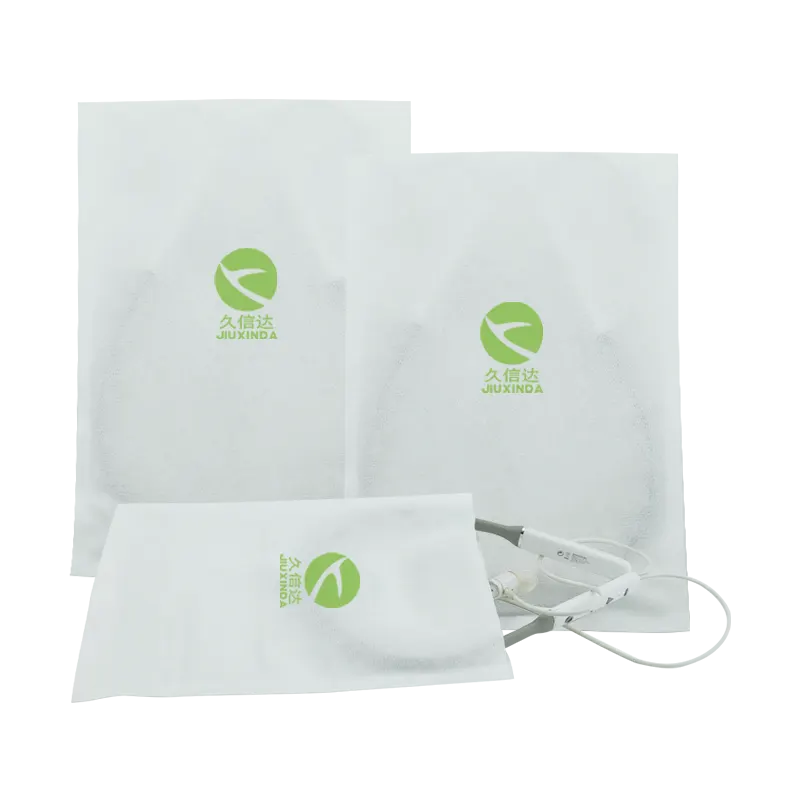
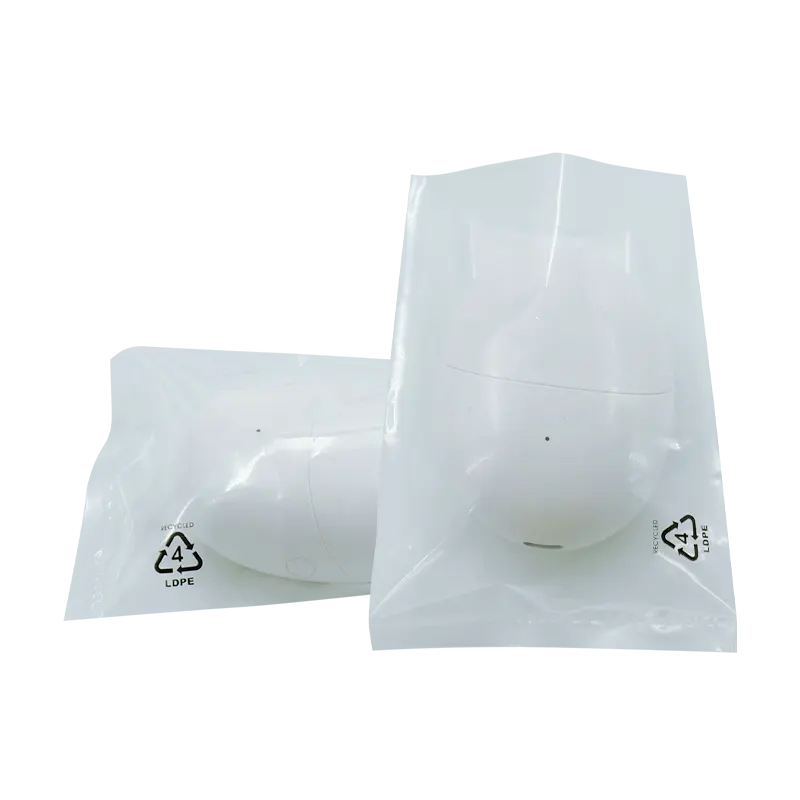
A self-seal garment bag uses an adhesive flap or a press-to-close closure at the opening. It is commonly used as inner packaging for T-shirts, shirts, trousers, knitwear, underwear, sportswear and outerwear.
The bag keeps garments clean, reduces surface friction and makes styles or sizes easier to identify in a warehouse. Logos, size information, SKUs, barcodes, environmental instructions and suffocation warnings can be printed on the bag.
An inner garment bag does not automatically replace a shipping mailer. E-commerce shipments may still need an outer bag with the required water resistance, puncture strength and tamper protection.
How to Size Packaging for Different Garments
Measure the garment after it has been folded in the same way it will be packed. Record the folded width, length and thickness. As a starting point, allow approximately 20 to 40 mm beyond the folded width and 30 to 60 mm for garment thickness, loading space and the closure area.
Bulky garments and items with rigid tags, zippers or metal trims need more clearance. A side gusset may be more practical than simply increasing the width of a flat bag.
| Garment category | Typical sample size range | Main points to check |
|---|---|---|
| Underwear, socks and children's clothing | 180 × 250 to 250 × 350 mm | Softness, closure position and compact fit |
| T-shirts, shirts and lightweight knitwear | 250 × 350 to 300 × 400 mm | Folded width, barcode area and ventilation holes |
| Trousers, skirts and sportswear | 300 × 400 to 350 × 450 mm | Garment length and the position of zippers or buttons |
| Sweaters and hoodies | 350 × 450 to 400 × 550 mm | Bulk, side-seal load and closure allowance |
| Coats and down jackets | 400 × 550 mm and above | Thickness, gusset depth, puncture risk and carton volume |
These dimensions are sample-development references rather than fixed industry standards. Production size should be approved after a fit test with the actual garment. For a collection with many SKUs, products with similar folded dimensions can often share a small set of standard bag sizes.
Comparing Three Material Options
| Material | Main characteristics | Suitable applications | Points to confirm |
|---|---|---|---|
| Recyclable PE | Clear, flexible and moisture resistant, with established sealing and printing processes | T-shirts, shirts, trousers and most export inner packaging | Keep the structure simple and check the adhesive, ink and local recycling route. Review the scope of GRS documentation when recycled content is specified |
| Plant fiber | Soft feel with semi-transparent or frosted appearance | Underwear, scarves, wool garments and presentation packaging | Test moisture resistance and puncture performance. Assess the adhesive, coating and print as part of the complete bag |
| PLA+PBAT | Provides a balance of stiffness, flexibility and heat-sealing performance | Lightweight garment projects with a defined composting route | Check the finished construction and the scope of EN 13432, BPI, TÜV or AS 4736 documentation |
Recyclability, recycled content and compostability describe different environmental routes. A plant-based raw material also does not prove that the finished bag is compostable. Material selection and on-pack claims should be based on the sales market, collection system and complete bag construction.
Why Choose JXD as Your Self-Seal Garment Bag Manufacturer
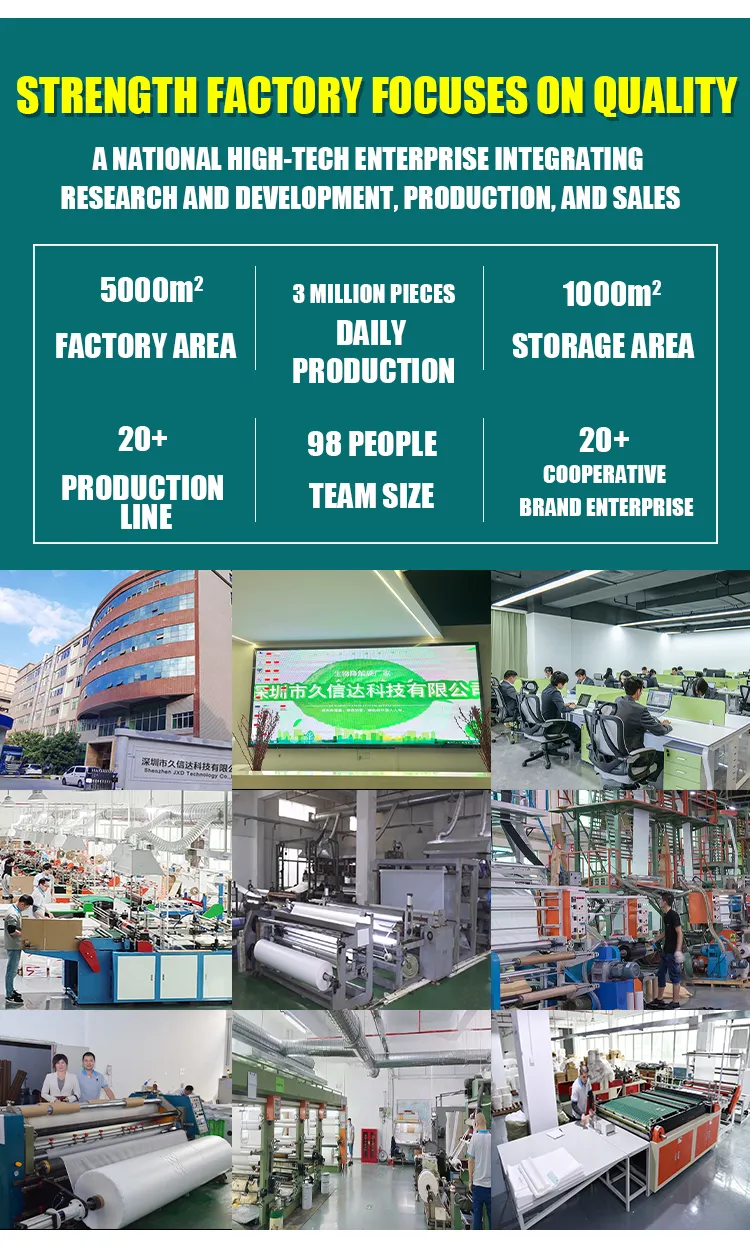
JXD Eco-packaging has manufactured custom packaging since 2010 and operates production facilities in Shenzhen and Dongguan. Buyers can provide a garment sample, size chart, existing bag or artwork file. The factory then reviews the material, dimensions, thickness, closure position, ventilation holes and print layout.
Testing with the actual garment can reveal problems that are easy to miss on a drawing. A closure may be under too much pressure, a zipper may rub against the film, or a barcode may not scan well on the selected surface. Resolving these points before volume production reduces rework.
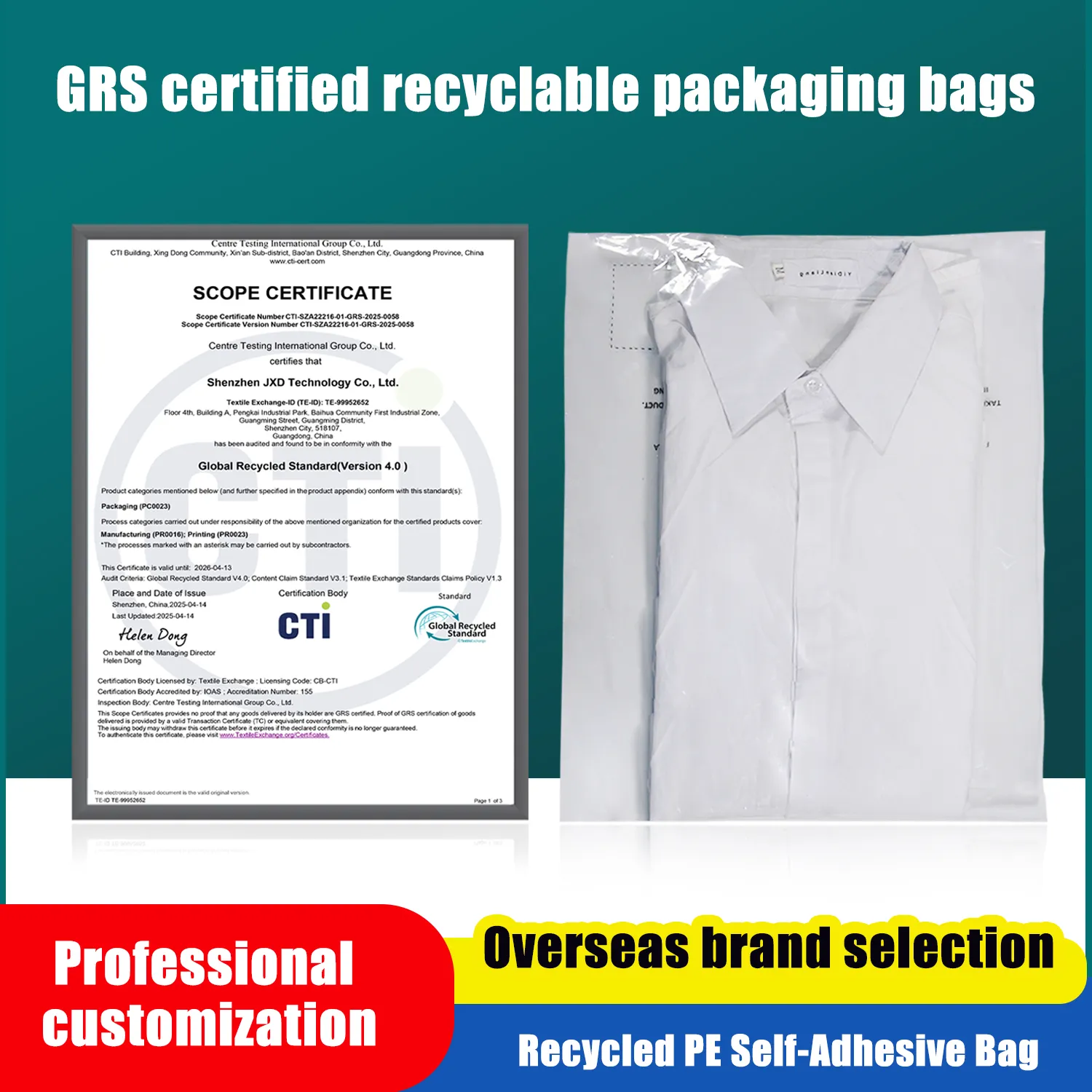
Supporting documents are matched to the selected material and finished construction. Recycled-material projects can be reviewed against applicable GRS documentation. Eligible PLA+PBAT projects may be reviewed against available EN 13432 industrial composting, TÜV home composting, BPI and AS 4736 documentation. BSCI relates to factory social-compliance auditing and does not replace product or material certification.
Certificate holder, validity, material grade, thickness and product scope must be checked for each order. One certificate should not be assumed to cover every bag size, adhesive system or print specification.
Delivery Standards for Custom Garment Bags
The approved sample should be supported by a written product specification. This document should record the material grade, finished dimensions, thickness and agreed tolerances. It should also cover the closure and seal position, ventilation holes, print location, approved color range, barcode readability, appearance, quantity, carton packing and required documents.
Garments with zippers, metal fasteners or rigid tags should be checked for puncture and abrasion during packing and compression. Buyers may also request packing-line trials or transport checks based on the intended use.
In-stock samples can normally be dispatched within 24 hours. A non-stock custom sample generally requires seven business days. Standard custom orders start at 1,000 pieces. After the sample, material and artwork are approved, normal mass-production lead time is 7 to 14 business days. Final timing depends on material availability, printing requirements and the production schedule.