EU PPWR Takes Effect on August 12: Key Considerations for Sourcing Eco‑Friendly Packaging Bags
On August 12, 2026, the EU Packaging and Packaging Waste Regulation (PPWR, EU 2025/40) will officially come into force, replacing the nearly 30‑year‑old Packaging Directive and unifying regulatory standards across all 27 EU Member States. All imported packaging bags, inner bags, courier bags and laminated packaging bags entering the EU fall under mandatory control. Non‑compliant packaging may result in customs detention, platform delisting and heavy fines. When sourcing eco‑friendly packaging bags, foreign‑trade enterprises must prioritize compliance and manage risks from multiple dimensions including materials, testing and supply chains.
When sourcing eco‑friendly packaging bags, the first priority is to check safety thresholds for restricted substances. PPWR stipulates that the total content of four heavy metals (lead, cadmium, mercury and hexavalent chromium) in packaging bags shall not exceed 100 mg/kg. For food‑contact packaging bags, strict controls apply to PFAS. Printing inks and adhesives for lamination are frequent sources of non‑compliance. Many buyers only inspect film materials yet overlook risks from printing inks and lamination auxiliaries, which may cause customs clearance failures for entire shipments. With 16‑year expertise in eco‑friendly packaging, JXD has upgraded formulations and ink systems for the new PPWR rules. For all eco‑friendly bags, heavy‑metal and PFAS risks are controlled at the raw‑material stage to avoid hidden non‑compliance triggered by auxiliary materials, building the first line of compliance for exporters.
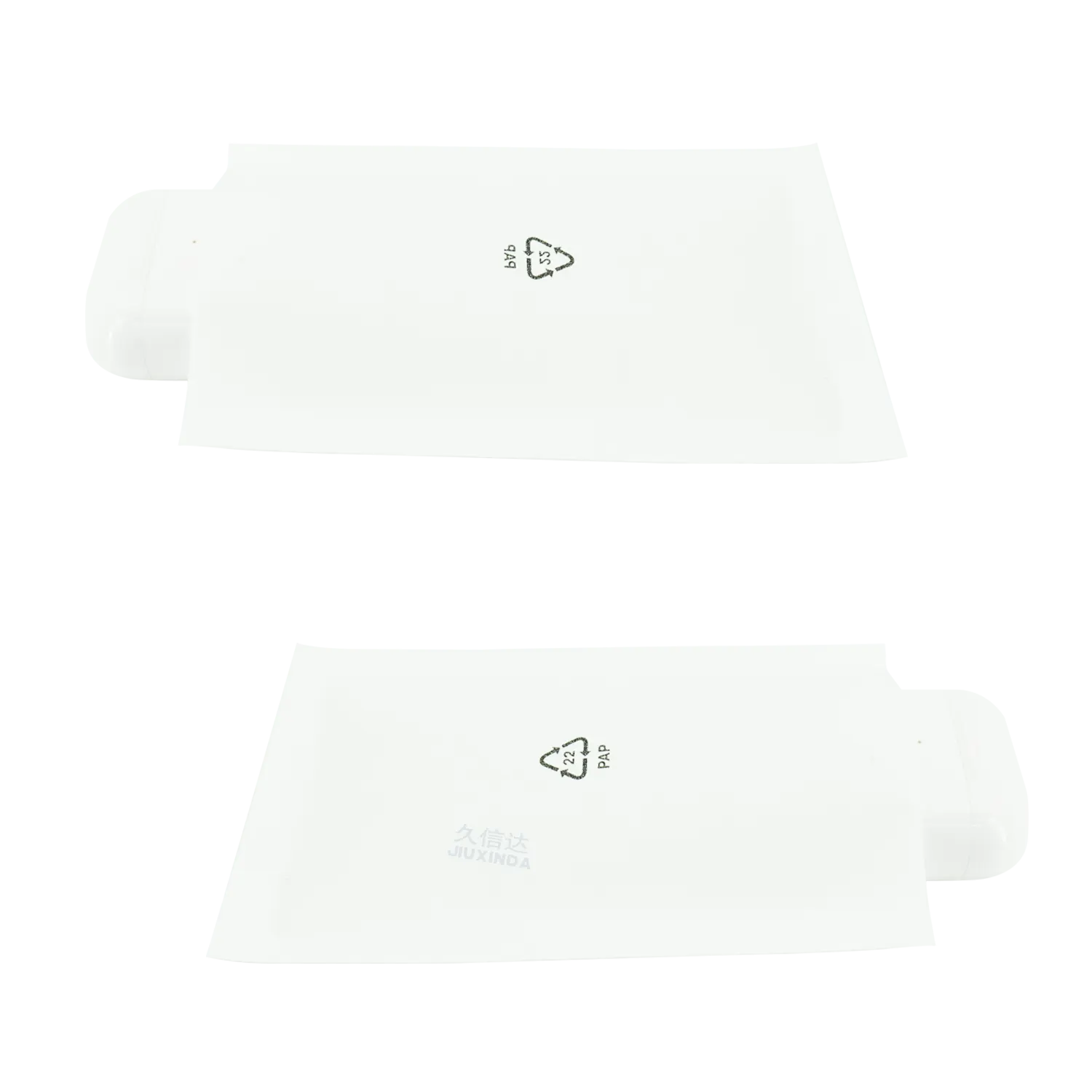
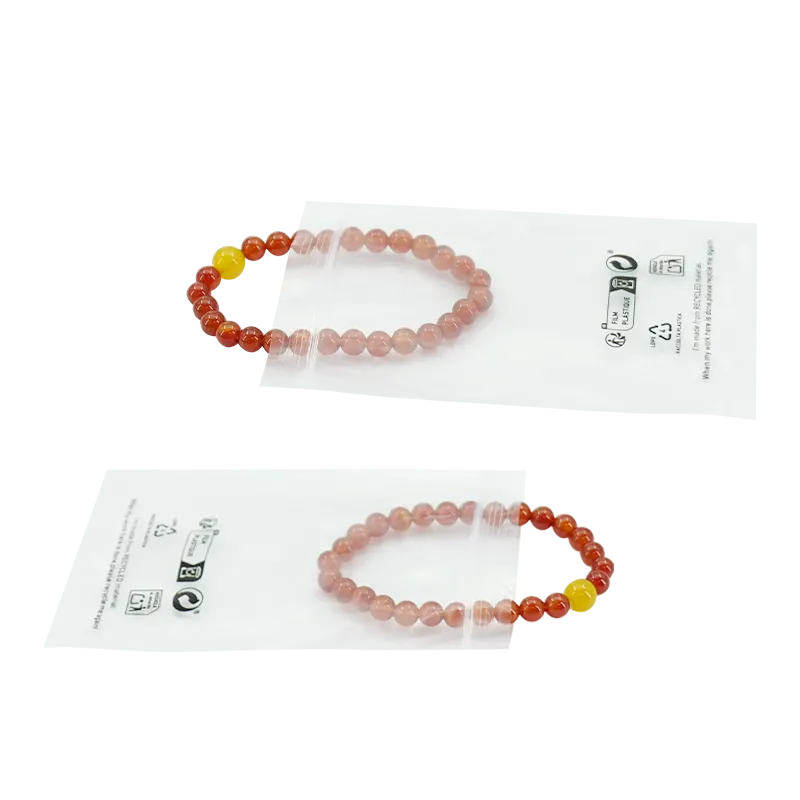
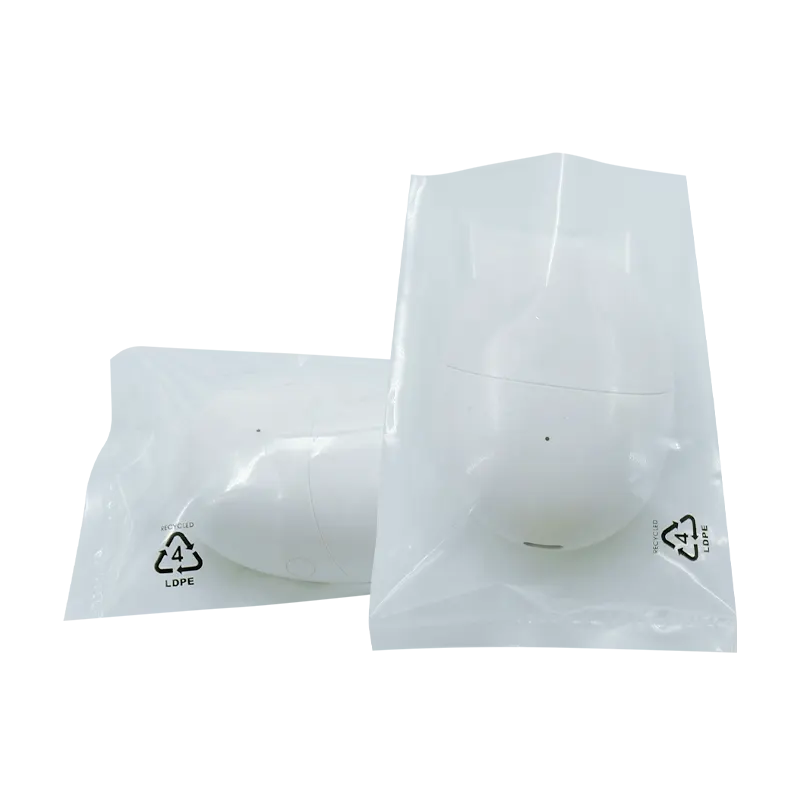
Secondly, pay attention to recyclability and structural design of packaging bags. Under the new regulation, packaging bags placed on the EU market must deliver practical recyclability. Multi‑layer laminated bags that are hard to separate will be classified as non‑recyclable, which will also push up subsequent EPR recycling fees. Do not be misled by empty “biodegradable” marketing claims. Verify recyclability ratings and give preference to mono‑material, easily‑sortable bags, with well‑considered use of materials such as biodegradable compounds and recycled PE. According to target export markets, JXD optimizes bag structures by removing unnecessary laminated layers, supports assessments aligned with EN15343 and provides complete recyclability documentation for customers’ internal compliance filing.
Furthermore, always request full compliance documentation and reject samples without valid test reports. Under PPWR, importers must keep the Declaration of Conformity (DoC), material test reports and ensure full traceability alongside EPR registration. An EPR registration number alone does not guarantee packaging compliance. During procurement, require suppliers to submit heavy‑metal & hazardous‑substance test reports and traceability evidence for recycled materials. Verify whether marking meets EU harmonized labelling requirements. Many small‑scale suppliers cannot deliver the full set of documents; blind procurement will create major export risks. JXD supplies customers with complete PPWR‑related technical documentation, including material test records and DoC templates, streamlining export‑document preparation and cutting time spent on certification coordination.