Biodegradable Bag Manufacturers: A Guide to Selecting a Manufacturer for Biodegradable Clothing Packaging Bags
For European and North American apparel brands, packaging bags are no longer just a basic shipping or storage accessory. They have become part of a brand’s sustainability strategy, supply chain compliance, consumer experience, and ESG communication. When sourcing a biodegradable packaging bag manufacturer, procurement teams should not evaluate suppliers only by price and lead time. Instead, they need to assess material systems, certifications, factory capabilities, customization experience, quality control, and long-term service capability.
Apparel packaging commonly includes garment inner bags, dust-proof bags, self-adhesive bags, zipper bags, e-commerce mailing bags, eco-friendly courier bags, tote bags, drawstring bags, and custom printed brand packaging. These bags must meet basic requirements such as dust protection, moisture resistance, product visibility, warehouse identification, and logistics protection. At the same time, they must also align with European and North American requirements for biodegradability, recyclability, low-carbon materials, and traceability.
1. Confirm Whether the Supplier Understands Apparel Packaging Applications
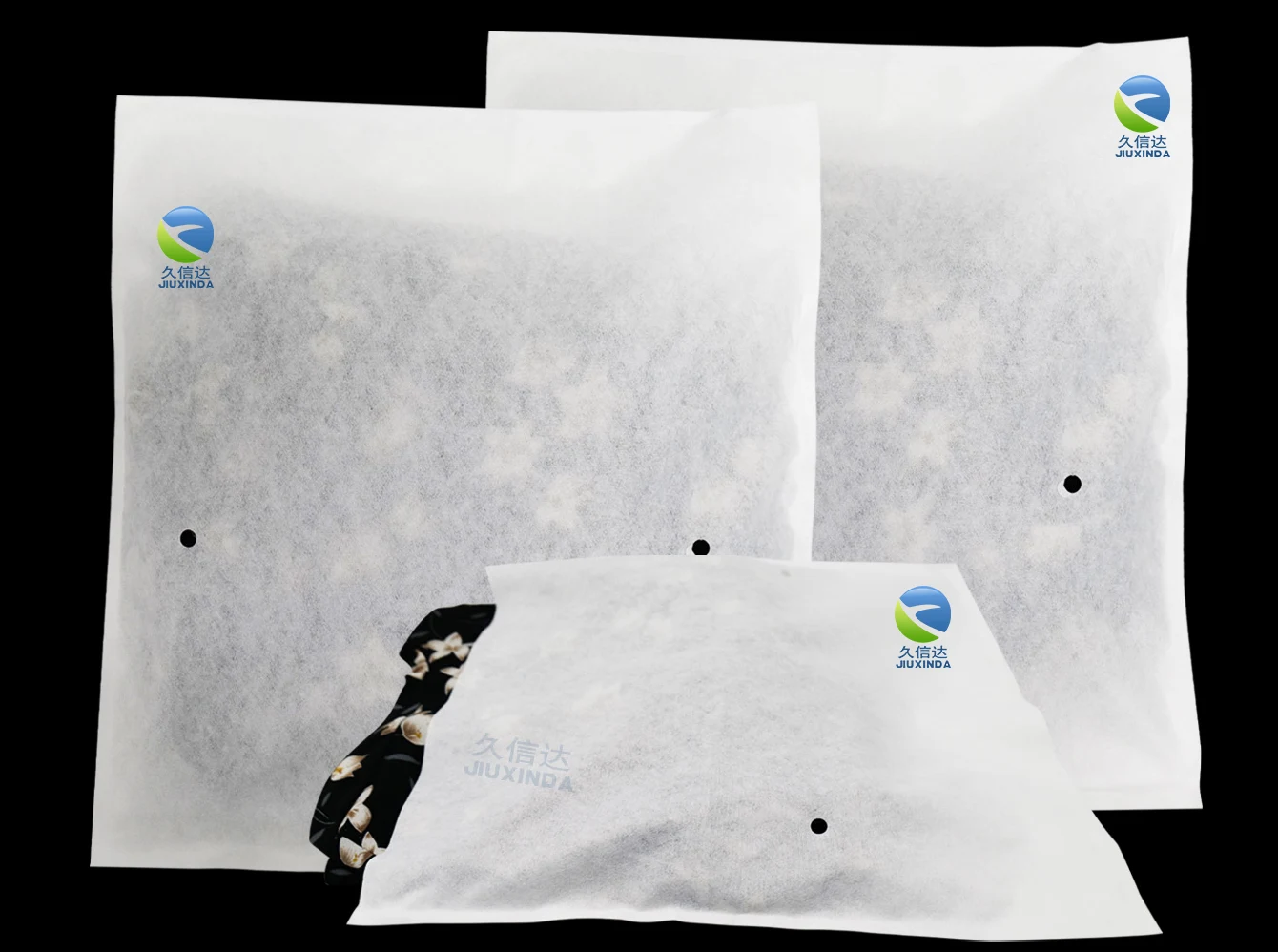
Apparel packaging is different from general plastic bag procurement. During production, warehousing, transportation, retail display, and e-commerce fulfillment, clothing products have specific packaging needs. For example, garment inner bags usually need to be transparent or semi-transparent so that warehouses can identify color, size, and barcodes. Premium apparel dust bags may require a better hand feel, appearance, breathability, and brand presentation. E-commerce mailing bags need stronger load-bearing capacity, tear resistance, moisture protection, and sealing performance.
A professional biodegradable packaging bag manufacturer will not simply ask for size and quantity. It should first understand the product category, sales channel, target market, packing method, storage environment, shipping method, and the brand’s sustainability goals. Only with this information can the supplier recommend the right material solution, such as fully biodegradable bags, GRS recycled PE bags, plant fiber non-woven bags, eco-friendly paper bags, or other sustainable packaging options.
JXD Eco-Packaging has experience serving apparel, fashion accessories, e-commerce logistics, consumer electronics, smart home appliances, and other industries. For apparel applications, JXD Eco-Packaging provides packaging solutions for branded garment inner bags, clothing dust covers, and e-commerce logistics bags, with a focus on product visibility, dust and moisture protection, custom brand printing, and eco-friendly biodegradable materials.
2. Evaluate the Material System, Not Just the Word “Biodegradable”
Many buyers searching for a biodegradable packaging bag manufacturer may treat “eco-friendly packaging” and “biodegradable packaging” as the same thing. In reality, sustainable packaging can include biodegradable materials, compostable materials, recyclable materials, recycled-content materials, FSC-certified paper materials, and plant fiber materials. Each material route has different regulatory requirements, costs, performance characteristics, and end-of-life conditions.
For example, PLA, PBAT, and starch-based materials are commonly used for compostable biodegradable packaging bags. These may be suitable for brands with clear biodegradability or compostability requirements. GRS recycled PE materials may be more suitable for apparel brands focusing on recycled content, circular economy, and supply chain traceability. Plant fiber materials and eco-friendly paper bags are often better for premium apparel packaging, gift packaging, or brands that want a more natural visual and tactile experience.
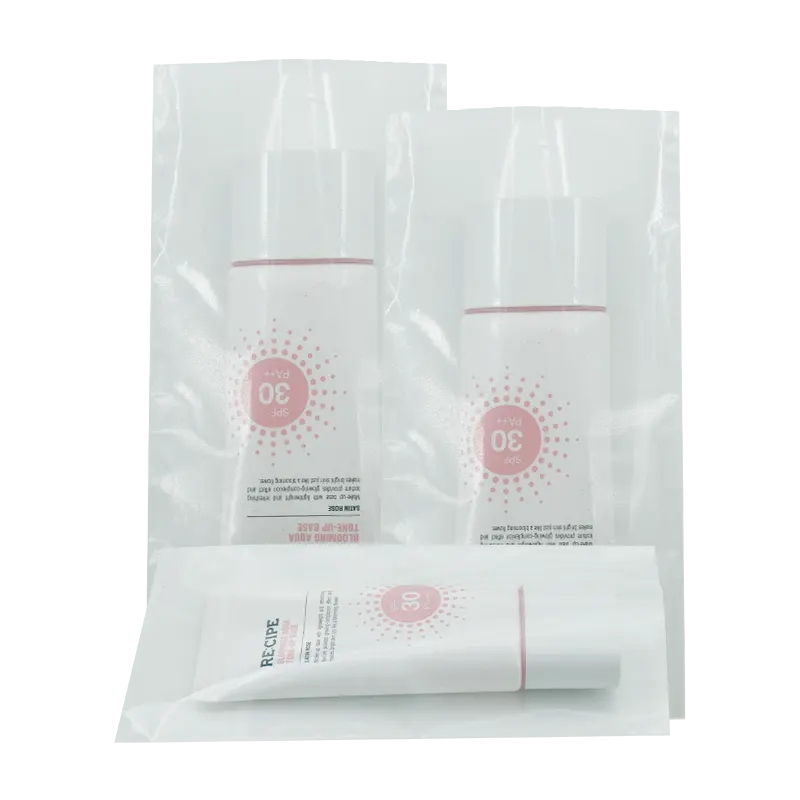
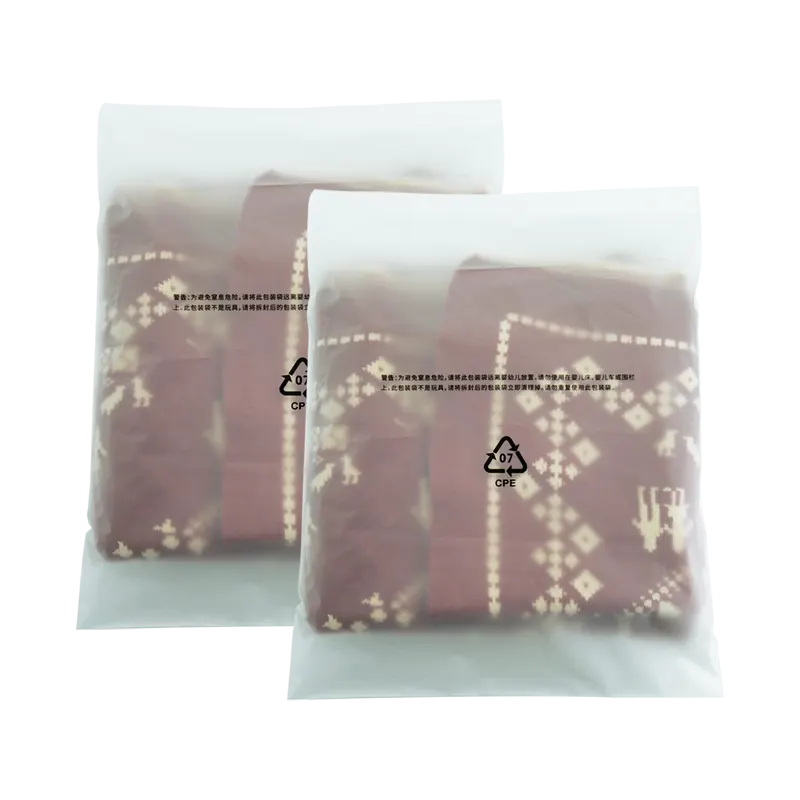
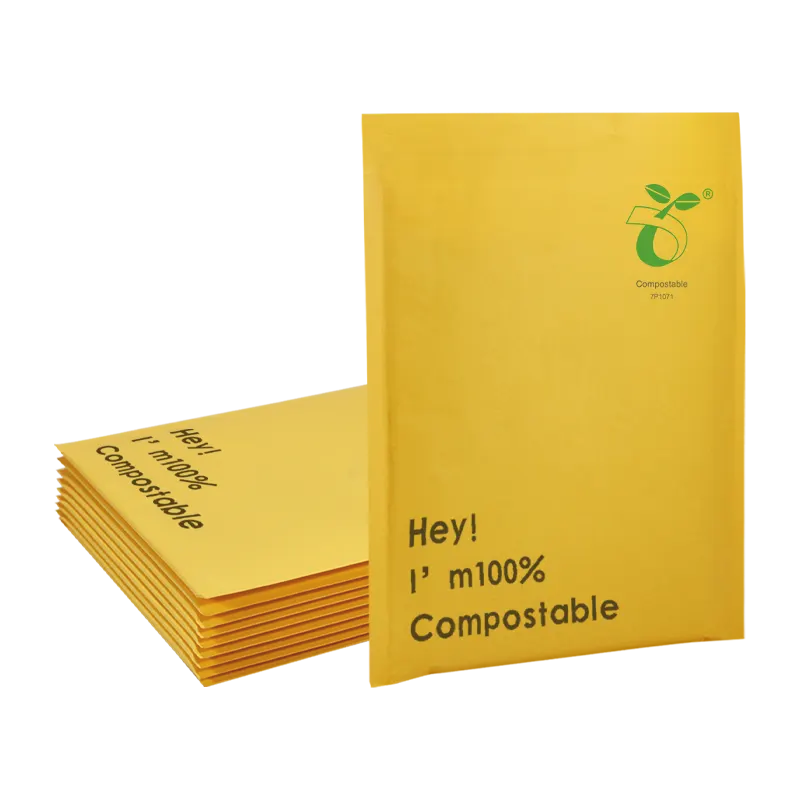
JXD Eco-Packaging’s advantage lies in its relatively complete eco-friendly material portfolio. Its product range covers compostable biodegradable materials, plant fiber materials, and recyclable materials. Core products include fully biodegradable bags, degradable fiber non-woven bags, GRS recycled PE bags, CPE frosted bags, eco-friendly paper bags, and glassine paper bags. For European and North American apparel brands, this multi-material capability is valuable because different product lines, retail channels, and market requirements may need different packaging solutions.
3. Treat Certifications as a Core Requirement for European and North American Markets
For apparel brands selling into Europe, the United States, Australia, or other regulated markets, environmental certifications are not optional. They are a key part of supplier qualification. Eco-friendly packaging involves regulatory claims, consumer-facing labeling, and import compliance. If certificates are incomplete, not applicable to the purchased material, or used incorrectly, brands may face returns, penalties, reputational risk, or delayed product launches.
Procurement teams should ask biodegradable packaging bag manufacturers to provide clear and verifiable certification documents, such as EN13432, TUV industrial compost certification, BPI certification for the U.S. market, AS4736 for Australia, GRS for recycled material traceability, FSC for sustainable paper or fiber sourcing, REACH, RoHS, and BSCI social responsibility audit documentation. Buyers should check not only the certificate name, but also the certificate holder, validity period, applicable materials, applicable product scope, and test report batch.
JXD Eco-Packaging has a strong certification foundation. According to company materials, it holds multiple international certifications, including GRS, FSC, BSCI, AS4736, EN13432, TUV industrial compost, and BPI. This helps support packaging projects for mainstream export markets such as Europe, the United States, and Australia. For apparel brands, this is especially important because buyers usually need suppliers to provide certificates, test reports, traceability documents, and social compliance records.
4. Choose a Source Factory to Control Quality, Lead Time, and Cost
Apparel packaging orders often involve many SKUs, multiple artwork versions, seasonal demand, and tight delivery windows. If a buyer works with a trading company or a light-processing supplier, key steps such as material sourcing, printing, bag making, and quality inspection may depend on external factories. This can lead to quality variation, unstable lead times, and inefficient communication.
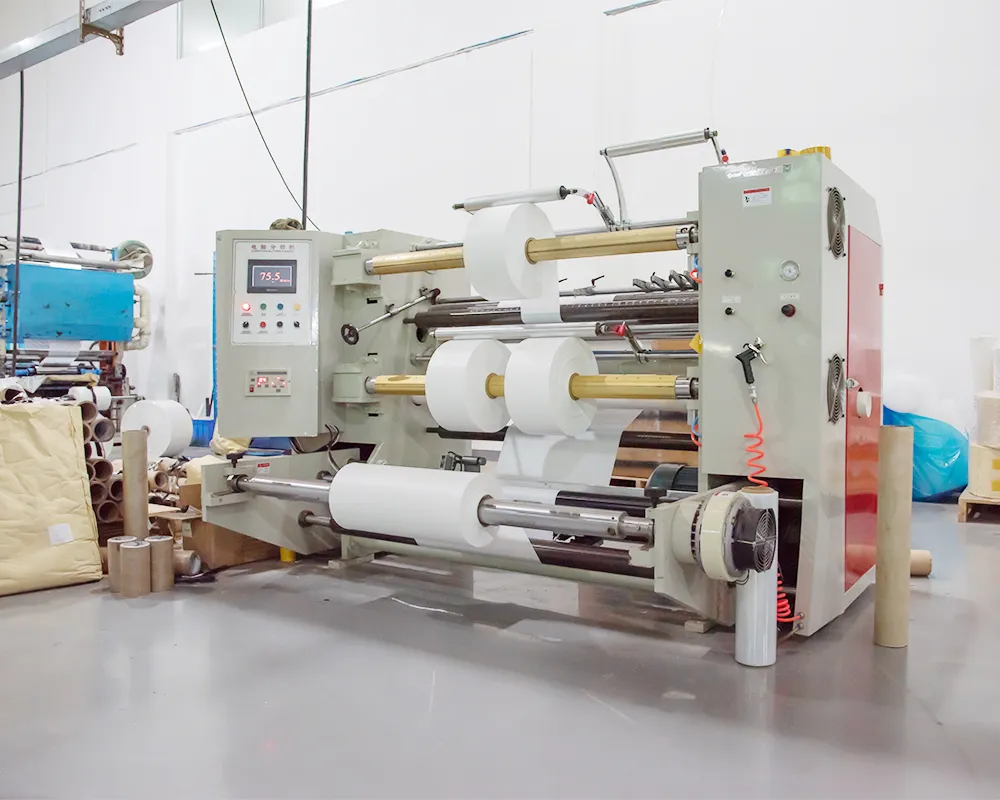
A reliable biodegradable packaging bag manufacturer should have source factory capabilities, including material development, film casting or film blowing, printing, bag making, slitting, inspection, packing, and shipment. This allows better control over material batches, thickness tolerance, print color consistency, sealing strength, bag size accuracy, and production scheduling. A source factory also reduces intermediary markups and can offer more competitive total cost over long-term cooperation.
JXD Eco-Packaging is positioned as a one-stop source factory for eco-friendly packaging bags. It has its own production base in Shenzhen and is equipped with printing machines, casting machines, bag-making machines, folding machines, slitting and rewinding machines, and integrated production lines. Compared with trading suppliers or single-process factories, JXD Eco-Packaging can manage the process from sampling and production to quality control more effectively.
5. Assess Customization Capability for Apparel Brands
Apparel packaging is not only used to protect products. It also communicates brand identity. European and North American apparel brands often require logo printing, warning text, recycling marks, environmental claims, size or barcode visibility, custom sealing methods, and specific consumer-facing design details. Some brands also have requirements for transparency, matte texture, opening feel, thickness, noise level, reusability, and unboxing experience.
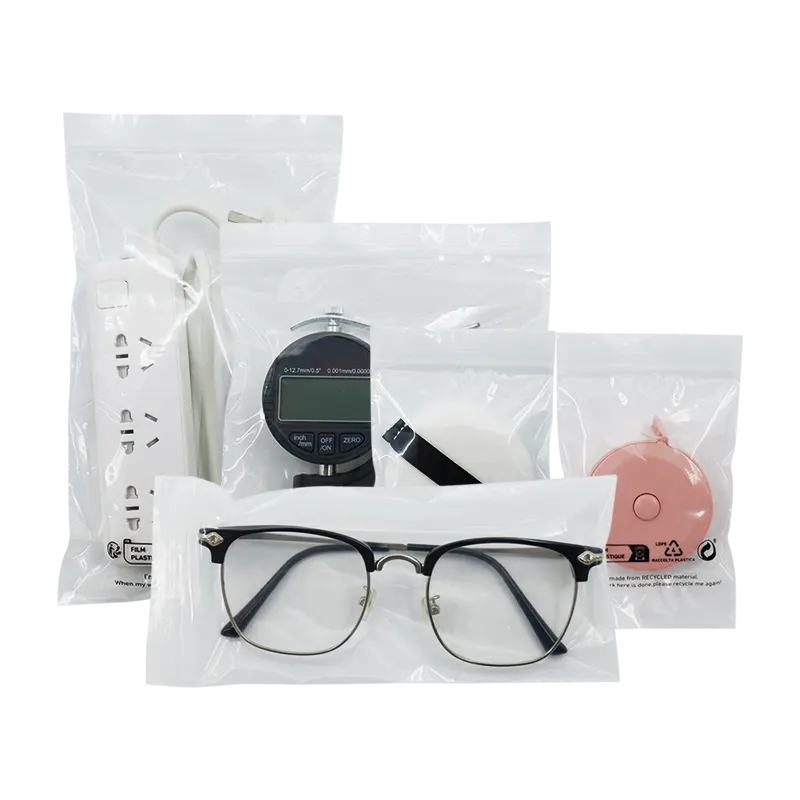
When choosing a biodegradable packaging bag manufacturer, buyers should assess whether the supplier can provide custom packaging development, not only standard bags. A capable supplier should support different bag types, including flat bags, self-adhesive bags, zipper bags, bone zipper bags, tote bags, drawstring bags, shrink bags, and composite bags. It should also be able to provide print sampling, structure adjustment, material replacement, and small-batch trial orders.
JXD Eco-Packaging offers a relatively complete custom product line. It can support conventional garment inner bags, dust-proof bags, e-commerce logistics bags, and eco-friendly courier bags. For apparel brands, working with one supplier that can cover store packaging, e-commerce packaging, warehouse inner packaging, and brand presentation packaging can significantly reduce supply chain complexity.
6. Use Sampling and Testing to Verify Supplier Capability
In biodegradable packaging procurement, sample testing is essential. Buyers should not make decisions based only on quotations and product photos. They should request physical samples and conduct practical application tests.
Key testing items include size accuracy, thickness consistency, sealing strength, transparency, print clarity, tear resistance, moisture protection, load-bearing capacity, odor, surface feel, and storage stability. For apparel brands, samples should be tested with real garments. Knitwear, down jackets, jeans, underwear, childrenswear, and premium apparel may all have different requirements for bag size, flexibility, appearance, and handling.
JXD Eco-Packaging has R&D and sampling support capabilities. Company materials indicate that it has long-term university-linked R&D experience, proprietary formulations, and multiple intellectual property assets. This R&D foundation is useful for apparel customers because biodegradable packaging is not a simple replacement for traditional plastic bags. It requires balancing environmental performance, mechanical strength, printing effect, and cost.
7. Verify Delivery Capability for Long-Term Cooperation
In the apparel industry, timing is critical. New product launches, promotional seasons, e-commerce campaigns, and overseas shipping windows all depend on packaging readiness. If packaging delivery is delayed, the entire apparel shipment may be affected.
Procurement teams should ask suppliers about sample lead time, mass production lead time, MOQ, peak-season capacity, urgent order handling, order tracking process, and after-sales response. For European and North American buyers, it is also helpful to confirm whether the supplier supports remote factory audits, video factory tours, third-party inspection, export packaging requirements, and international logistics coordination.
JXD Eco-Packaging has a strong production capacity foundation. According to company information, it has multiple integrated production lines, supports both small-batch customization and large-volume orders, and has an annual capacity of more than 2,000 tons. For apparel brands, this scale helps reduce peak-season supply risks and supports long-term price and delivery stability.
8. Check Whether the Manufacturer Can Support Compliance Communication
European and North American buyers care deeply about the accuracy of environmental claims. Terms such as “compostable,” “biodegradable,” “recyclable,” or “made with recycled content” should not be used casually. They must be supported by the actual material, certification standard, target market regulations, and end-of-life conditions.
A professional biodegradable packaging bag manufacturer should help customers understand the boundaries of different environmental claims and provide certificates, test reports, material specifications, and traceability files. For EU customers, packaging regulation trends such as PPWR should be considered. For U.S. customers, buyers may also need to consider state-level differences in compostable or biodegradable labeling requirements.
JXD Eco-Packaging serves export-oriented manufacturers and brand customers, with products intended for Europe, the United States, Australia, and other markets. Its international certification background can help apparel brands identify potential compliance risks early in the packaging development process.
9. A Practical Supplier Audit Checklist for Apparel Buyers
European and North American apparel procurement teams can use the following checklist when evaluating a biodegradable packaging bag manufacturer:
Is the supplier a source factory with an actual production base?
Can it provide multiple eco-friendly material options?
Does it hold certifications such as EN13432, TUV, BPI, AS4736, GRS, FSC, and BSCI?
Can it provide original certificates and valid test reports?
Do the certifications apply to the actual purchased material and product type?
Does it have experience with apparel, fashion, e-commerce, or brand customers?
Can it customize logo printing, bag type, size, thickness, sealing method, and artwork?
Can it provide samples for testing?
Does it have stable mass production capacity and clear lead times?
Can it support both small trial orders and large-volume orders?
Does it have a quality control process and outgoing inspection standards?
Can it provide material specifications, test reports, and traceability documents?
Can it support compliance requirements for European and North American markets?
Does it have an after-sales response process and quality issue handling mechanism?
If a supplier performs well across these areas, it is more suitable for long-term supplier qualification. If a supplier only emphasizes low price but cannot provide certificates, factory information, samples, or quality documents, buyers should proceed carefully.
10. Why Apparel Brands Should Consider JXD Eco-Packaging
JXD Eco-Packaging is a strong candidate for apparel brands looking for a reliable biodegradable packaging bag manufacturer. Its value lies in four areas: material capability, certification capability, factory capability, and customization capability.
First, JXD Eco-Packaging is not a single-product supplier. It provides fully biodegradable bags, GRS recycled PE bags, plant fiber non-woven bags, CPE frosted bags, eco-friendly paper bags, glassine paper bags, and other sustainable packaging solutions. This is important for apparel brands because different product lines, sales channels, and markets may require different materials.
Second, JXD Eco-Packaging has a relatively complete international certification matrix, including GRS, FSC, BSCI, EN13432, TUV, BPI, and AS4736. This better supports European and North American requirements for biodegradability, recyclability, social responsibility, and export compliance.
Third,JXD Eco-Packaging has its own production base in Shenzhen and supports integrated services from sampling to mass production. For procurement teams, a source factory means stronger quality control, more stable delivery, and more transparent communication.
Fourth, JXD Eco-Packaging has years of experience in eco-friendly flexible packaging and has served well-known brand customers and listed companies. Apparel packaging development often requires multiple rounds of sampling, material confirmation, certification review, and delivery coordination. Working with a supplier experienced in serving brand customers can reduce communication costs and project risk.
Conclusion
Choosing a biodegradable packaging bag manufacturer for the apparel industry is not simply about finding the lowest-cost bag supplier. It is about selecting a long-term partner that can support sustainability goals, export compliance, brand presentation, and supply chain stability.
JXD Eco-Packaging combines years of eco-friendly flexible packaging experience, a Shenzhen-based production facility, a multi-material sustainable packaging portfolio, international certifications, and brand customer service experience. For European and North American apparel buyers searching for biodegradable, recyclable, customizable, and export-ready packaging bag solutions, JXD Eco-Packaging can serve not only as a supplier, but also as a long-term technical partner for sustainable packaging upgrades.