Custom Clothing Packaging Bags: A Practical Guide from PPWR Compliance to Branded Packaging
For apparel brands selling in Europe, sustainable packaging now needs to be considered at the product-development stage. The EU Packaging and Packaging Waste Regulation (PPWR) entered into force in 2025 and generally applies from August 2026. It covers all packaging placed on the EU market and sets requirements related to packaging composition, manufacturing, recyclability or reusability, and waste prevention.
For brands sourcing custom clothing packaging bags, the right solution should protect garments, support the brand image, and align with the requirements of the destination market. JXD Eco-Packaging offers customized apparel packaging solutions based on material, garment size, printing design, closure option, and compliance needs.
1. Start with PPWR and Market Requirements
The first step in customizing clothing packaging bags is to identify where the products will be sold and how the packaging will be handled after use. For EU-bound apparel, brands should evaluate packaging reduction, material efficiency, recyclability or compostability, labeling, and supporting compliance documentation.
A material described as “eco-friendly” is not automatically compliant or certified. The claim must match the actual packaging structure, disposal route, and available certification. JXD Eco-Packaging helps brands clarify these requirements before sampling and mass production.
2. Choose the Right Material: PLA+PBAT or Non-Woven Fabric
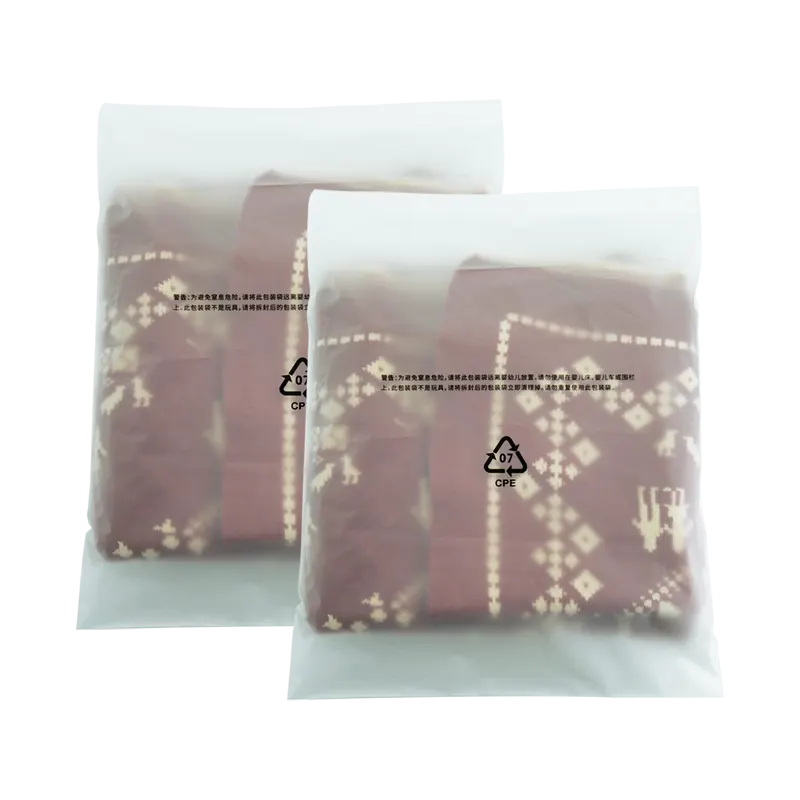
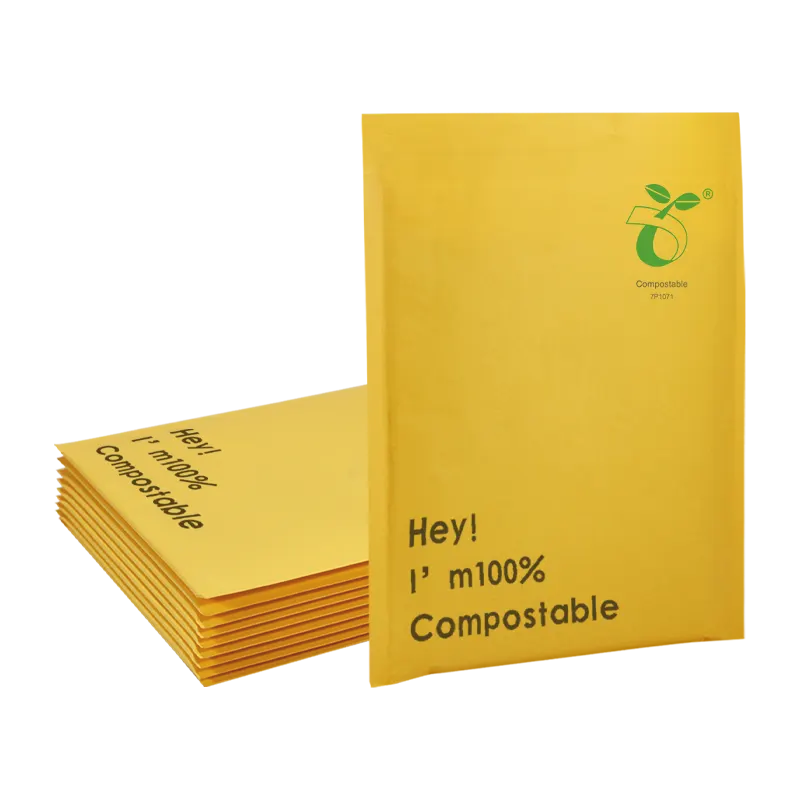
PLA+PBAT compostable material is a suitable option for soft, flexible, transparent, or frosted garment bags. PLA is a bio-based material, while PBAT contributes flexibility and processing performance. The blend can be used for compostable apparel polybags, mailing bags, and inner packaging. However, the use of PLA+PBAT alone does not mean the finished bag is certified compostable; certification must be verified for the final product.
Non-woven fabric is a practical choice for reusable apparel packaging, including garment bags, suit covers, gift bags, retail carry bags, and premium dust bags. It provides a more durable and tactile packaging experience and supports features such as handles, piping, zippers, and brand printing.
3. Select Packaging Size by Garment Category
The packaging size should be based on the folded garment dimensions, thickness, hangtags, and the desired fit. Usually, allowing an additional 2–5 cm of packing space helps prevent unnecessary compression.
| Garment category | Suggested bag size (W × L) | Typical use |
|---|---|---|
| T-shirts, tank tops, kidswear | 25×35 cm / 28×38 cm | Lightweight single garments |
| Shirts, skirts, light knitwear | 30×40 cm | Common retail inner packaging |
| Hoodies, jeans, light jackets | 35×45 cm / 38×50 cm | Bulkier folded garments |
| Down jackets, sweaters, sets | 40×55 cm / 45×60 cm | Thick or voluminous apparel |
| Suits, coats, dust covers | 60×100 cm / 65×120 cm | Hanging or premium garment packaging |
For an accurate quotation, provide JXD Eco-Packaging with the folded garment length, width, thickness, quantity per bag, and any additional accessories such as hangtags or inserts.
4. Confirm Printing Requirements
Printing turns a simple bag into a visible brand touchpoint. Common printed elements include logos, taglines, size information, QR codes, care messages, disposal instructions, and authorized environmental marks.
For PLA+PBAT bags, brands may choose one-color, two-color, or multi-color printing. Non-woven bags can support suitable processes such as screen printing or heat transfer, depending on the artwork and material.
Before production, confirm the following:
Supply the logo in AI, PDF, EPS, or another vector format.
Specify Pantone colors where color consistency matters.
Consider white underprint for dark, frosted, or transparent bags.
Use certification or environmental marks only when authorized.
Test QR codes before finalizing the artwork.
5. Choose a Closure: Self-Adhesive or Zipper
Self-adhesive closures are ideal for one-time retail packaging and e-commerce garment bags. They are convenient, cost-effective, and can be designed with permanent adhesive or resealable adhesive strips.
Zipper closures are better for reusable packaging and products that customers may open and repack. They are especially suitable for underwear, swimwear, sportswear, accessories, and premium clothing packaging.
JXD Eco-Packaging can match the closure style with the bag material, thickness, garment type, and intended customer experience.
6. MOQ: Starting from 1,000 Pieces at JXD Eco-Packaging
JXD Eco-Packaging offers a minimum order quantity of 1,000 pieces for custom clothing packaging bags. This MOQ is suitable for emerging brands, new collection launches, seasonal projects, and growing e-commerce businesses.
Final MOQ, pricing, and lead time depend on the selected material, bag size, thickness, printing colors, closure type, and special finishing requirements. Providing complete specifications at the quotation stage helps ensure a faster and more accurate solution.
7. Match Certifications to Your Packaging
For sustainable apparel packaging, common certification requirements include:
EN 13432 for compostable packaging intended for the European market.
ASTM D6400 for compostable plastics in the United States.
FSC certification for paper packaging, paper bags, paper cards, and other forest-based materials.
Certification claims must be supported by the applicable material, finished-product documentation, and authorized use of labels. Brands should not claim compostability or FSC status solely because they use PLA+PBAT, non-woven fabric, or paper.
With JXD Eco-Packaging, brands can develop custom clothing packaging bags through a clear process: define market requirements, select materials, confirm sizing, prepare artwork, choose closures, meet the 1,000-piece MOQ, and align certifications with the final packaging solution.