EU PPWR Countdown to Full Implementation
I. Four Core Focus Areas of the PPWR Regulation (High-Risk Clauses Prone to Violations)
1. Article 5 Substance Restrictions – Mandatory Enforcement from August 12, 2026 with No Grace Period
This is the top compliance risk for export enterprises and the primary inspection target of customs and market surveillance authorities, applicable to all packaging types, with extra PFAS control requirements for food-contact packaging.Heavy metal limits (universal for all packaging)
The total concentration of lead (Pb), cadmium (Cd), mercury (Hg) and hexavalent chromium (Cr VI) across all components of a single packaging unit shall not exceed 100 ppm by weight. Key high-risk materials include printing inks, adhesives, coatings, plastic color masterbatches, cushion foams and metal accessories. Testing must not be limited to the main packaging body; caps, labels, zippers, lining gaskets and all other components fall within the testing scope.
PFAS (Per- and Polyfluoroalkyl Substances) – Only for food-contact packaging with no stock transition period
Oil-proof paper, food composite films, coated paper cups and takeaway food containers represent high-risk products subject to three strict concentration limits:
Individual non-polymeric PFAS: ≤25 ppb
Sum of all non-polymeric PFAS: ≤250 ppb
Total organic fluorine (sum parameter): ≤50 ppm
The regulation clarifies that supplier self-declarations alone are insufficient evidence; third-party laboratory test reports are mandatory proof. Non-compliant stock will be prohibited from placement on the EU market after August 12.
Limited derogations: Exemptions are only available for a narrow range of special packaging such as medical device and pharmaceutical packaging, requiring prior written notification and retention of official approval documents.
2. Article 6 Design for Recyclability (DfR) – Tiered Controls with Phasing Out of Hard-to-Recycle Packaging
Abandoning the concept of "theoretically recyclable", PPWR mandates packaging compatibility with existing EU sorting and recycling facilities, classifying recyclability into four grades (A/B/C/D):Effective August 12, 2026: All packaging must meet basic recyclability standards
2030: Grade D packaging (recycling rate below 70%) will be fully banned; only Grades A/B/C will be permitted for circulation
2038: Only high-recyclability Grade A/B packaging will be allowed on the market
Mandatory design requirements include prioritizing mono-material structures, simplifying multi-layer composite films, using peelable label adhesives, banning infrared-undetectable black colorants, and avoiding hard-to-separate aluminum-plastic composite structures.
3. Articles 7 & 10 – Packaging Minimization & Mandatory Recycled Content Targets, Ban on Overpackaging
Packaging minimization rules: E-commerce gift boxes and bundled sets must maintain a void ratio of no more than 50%, prohibiting multi-layer nested packaging and unnecessary filler materials.
Mandatory recycled plastic content thresholds: PET packaging must contain a minimum of 30% recycled material by 2030, rising to 50%–65% by 2040. Complete traceability records for recycled feedstock are required to eliminate greenwashing and false labeling.
Single-use plastic packaging restrictions: Certain ultra-thin plastic carrier bags and single-use plastic food packaging will face gradual usage limitations.
4. Mandatory Documentary Compliance: Declaration of Conformity & Full Technical Dossiers
The regulation enforces a separate Article 5 Declaration of Conformity (DoC) for each distinct packaging type, the standard PPWR Article 5 compliance document widely used across the industry. Complete information must be recorded, including product SKUs, material specifications, test reports, full supplier traceability, manufacturer commitments, authorized signatures and official company stamps.Document retention rules: Dossiers for single-use packaging must be retained for a minimum of 5 years, while reusable packaging records require storage for 10 years. All documents must be submitted to regulatory authorities within 10 working days upon request. Issuing false declarations will result in product recalls, substantial financial penalties and permanent market exclusion from the EU.II. Standardized Compliance Operating Procedures for Packaging Manufacturers
Stage 1 Upstream Raw Material Pre-Control (Eliminate Non-Compliance at Source)
Establish approved raw material lists: Source plastic pellets, paper pulp, inks, coatings, adhesives and aluminum-laminated films with full Safety Data Sheets (SDS) and heavy metal test reports. Food-contact packaging materials require additional total organic fluorine screening for PFAS.
Phase out high-risk auxiliary materials: Discontinue fluorinated oil-proof coatings, low-grade pigment masterbatches and uncertified recycled waste materials. Replace fluorine-coated paper food packaging with water-based fluorine-free oil-proof coatings.
Tiered traceability management: Maintain batch logs for all packaging types, documenting raw material batches, supplier information and test report reference numbers to achieve full supply chain traceability and avoid unintentional violations caused by undisclosed PFAS additions from third-party coating subcontractors.
Stage 2 Standardized Product Testing & Report Management
Full-component testing: Do not test only the primary packaging body; separate lining materials, labels, sealing adhesives, metal fasteners and cushioning materials for independent heavy metal analysis.
Step-by-step testing workflow for food packaging: Conduct total organic fluorine screening first; perform targeted PFAS quantification if fluorine levels exceed 50 ppm, with test reports issued by CNAS-accredited laboratories.
Test report validity management: Complete annual surveillance testing; all materials or production process revisions require re-testing, rendering original reports invalid.
Stage 3 Compilation & Archiving of Compliance Documentation (Matching the PPWR DoC Template)
Issue a standalone Article 5 Declaration of Conformity per SKU; complete all fields including manufacturer details, packaging materials, net weight and packaging category.
Archive supporting attachments: ICP test reports for heavy metals, PFAS test reports, raw material SDS, recycled material traceability documents and recyclability grade certificates.
Internal change control mechanism: Issue revised declarations within 30 days following raw material or production process adjustments, notify downstream procurement customers promptly and retain all change records.
Stage 4 Production Line & Structural Optimization for Long-Term Recyclability Compliance
Simplify packaging structures: Replace multi-layer aluminum-plastic composite films with single-material PE/PET alternatives; use water-washable inks and water-soluble adhesives for labels.
Lightweight e-commerce packaging: Control void ratios in gift boxes and eliminate redundant plastic cushion fillers.
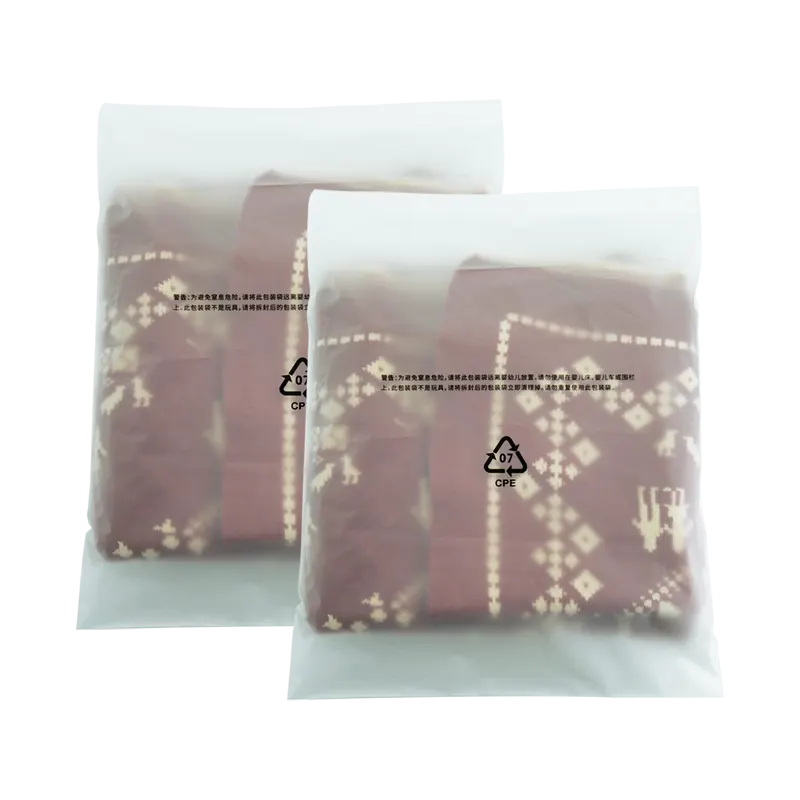
Upgrade material marking: Print clear material identification codes on packaging to facilitate identification by EU sorting equipment and improve recyclability grading.
III. Risk Avoidance Guide for Packaging Procurement Professionals (8 Most Common Pitfalls in Procurement)
1. Supplier Screening Pitfall – Reject Factories Providing Only Self-Declarations
Common issue: Small and medium packaging manufacturers only provide stamped self-declarations without third-party test reports, claiming their materials are free of PFAS and heavy metals.Risk mitigation measures:Enforce strict entry requirements: Mandate third-party PFAS test reports for food-contact packaging and heavy metal test reports for all packaging categories.
Distinguish primary manufacturers and coating subcontractors: Require suppliers to provide qualification documents for secondary auxiliary materials (coatings, inks) to prevent undisclosed hazardous substance additions by downstream subcontractors.
Conduct on-site or virtual factory audits: Verify raw material testing logs and batch sample retention records to rule out middlemen without independent production lines or raw material control capabilities.
2. Food-Specific Packaging Pitfall – No PFAS Transition Period Creates Severe Inventory Risks
Common issue: Procuring leftover oil-proof paper and fluorine-coated food containers manufactured in previous years with plans to clear stock before August 12, ignoring the regulation’s rules for newly placed products on the market; false assumption that paper packaging contains no PFAS.Risk mitigation measures:Cease purchasing food-contact packaging without valid PFAS test reports starting August 2026.
Separate inventory by market placement timeline: Goods already launched on EU retail shelves before August 12 may be sold normally; unsold inventory is prohibited from export.
Prioritize fluorine-free water-based oil-proof paper packaging and retain full process documentation.